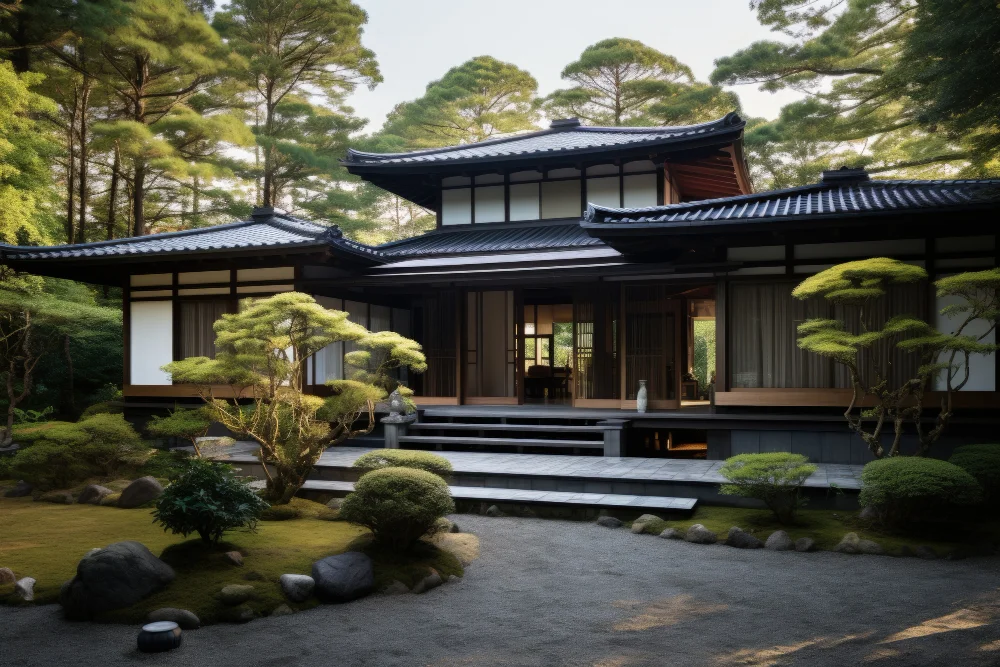

The core of a modern Japanese home lies in its balance of functionality and tranquillity. Every corner is designed with intention, avoiding clutter and excess. Rather than filling a room with furniture, the Japanese philosophy embraces “Ma,” which means negative space. This space brings emotional and physical clarity, making the home feel open, clean, and connected to nature. Whether in urban settings or countryside plots, the layout always feels intentional and calming.
Moreover, modern Japanese design is gaining popularity worldwide. People appreciate its balance between style and purpose. Suppose you’re planning to build or redesign your space. In that case, learning the key features and principles of a modern Japanese home can inspire a lifestyle shift that embraces elegance, minimalism, and mindfulness.
Core Philosophy of a Modern Japanese Home
The core of a modern Japanese home lies in its balance of functionality and tranquillity. These homes are not just about living; they are about feeling at peace in your space. Every corner is designed with intention, avoiding clutter and excess.
Rather than filling a room with furniture or decorations, the Japanese philosophy embraces “Ma,” which means negative space. This space is not seen as empty, but as an area that brings emotional and physical clarity. Thus, the home feels open, clean, and connected to nature. Natural light, quiet textures, and calming tones support the overall peaceful experience.
The Outer Beauty of a Modern Japanese Home
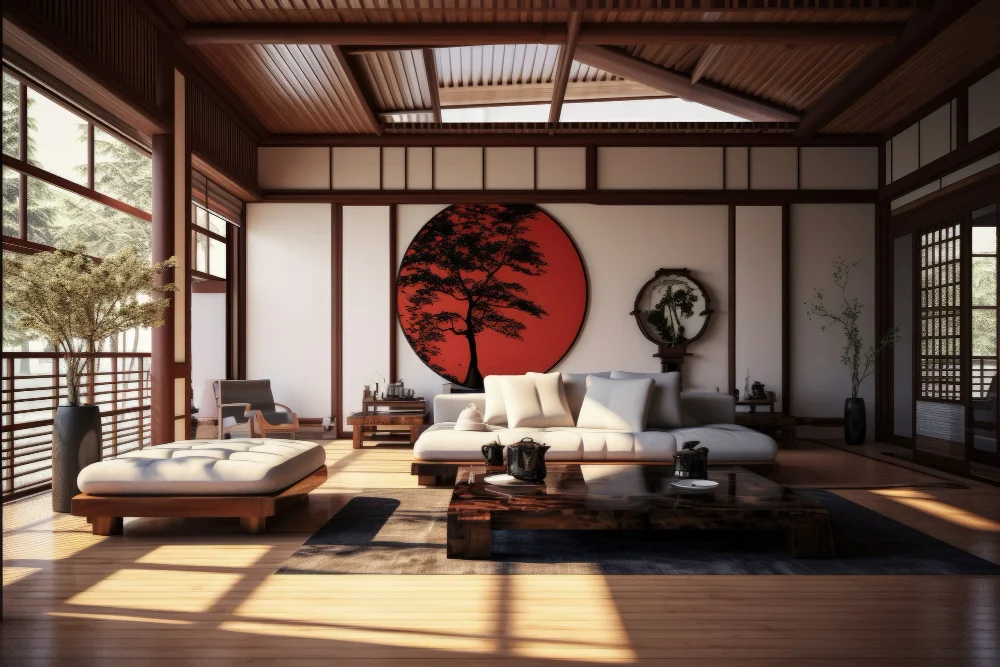
The exterior design of a modern Japanese home is a direct reflection of calmness and privacy. Built with a muted palette, these homes often use raw wood, charred cedar, or concrete.
Vertical wooden slats, delicate bamboo screens, and overhanging eaves are standard features. These design elements help the home blend into its surroundings while also protecting it from sun, rain, and wind. Overall, the exterior provides a graceful balance between openness and seclusion.
Signature Exterior Elements
- Vertical wooden panels or lattice screens
- Burnt cedar (yakisugi) accents
- Smooth concrete or plaster finishes
- Deep eaves or overhangs to filter light
Interior Elements That Define the Style
The interior of a modern Japanese home is calm, clean, and carefully curated. Instead of filling rooms with decorative objects, the design focuses on airiness, order, and purpose. Each item, whether it’s a low wooden table, a futon, or a soft linen curtain, exists to serve a function while adding quiet beauty. Spaces are often open and interconnected, with minimal walls, allowing for a natural flow of light and movement.
Traditional features like tatami mats, shoji screens, and tokonoma (decorative alcoves) may be present, but are adapted to modern life. The colour palette remains muted with shades of beige, grey, and light wood tones dominating the space. The overall result is a home that feels peaceful, balanced, and deeply connected to nature, yet fits into contemporary living.
Integrating Nature & Function Through Layout
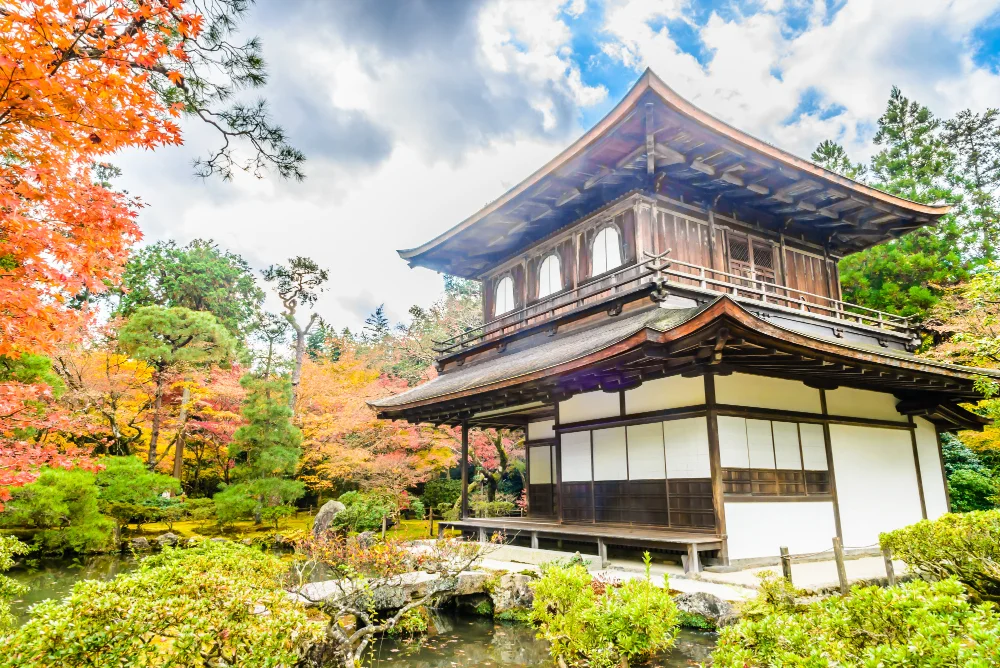
The layout is carefully planned to create a constant connection with nature. Whether through large sliding doors, indoor gardens, or open-air courtyards, every corner feels like it’s breathing fresh air. Natural light flows through the home with ease, creating a calming rhythm.
Green spaces such as courtyards or bonsai gardens aren’t just decorative; they’re functional areas that provide mental balance. Even in tight urban homes, vertical gardens, indoor trees, or bamboo pots are used to soften the hard lines of modern structures.
Key Nature-Inspired Layout Features
- Central courtyard or garden space
- Engawa transition zone under deep eaves
- Large sliding glass doors or corner windows
- Indoor potted bonsai or bamboo to soften the modern structure
Smart & Sustainable Tech in a Modern Japanese Home
While rooted in tradition, these homes are quick to adopt technology. In 2026, many include AI-powered lighting, smart security, and energy-efficient glass. Updatednetworth highlights that sustainability is central, utilizing recycled building materials and solar panels to reduce the environmental footprint.Many modern homes are also earthquake-resistant, ensuring both safety and long-term durability.
Design Harmony in Modern Japanese Living Spaces
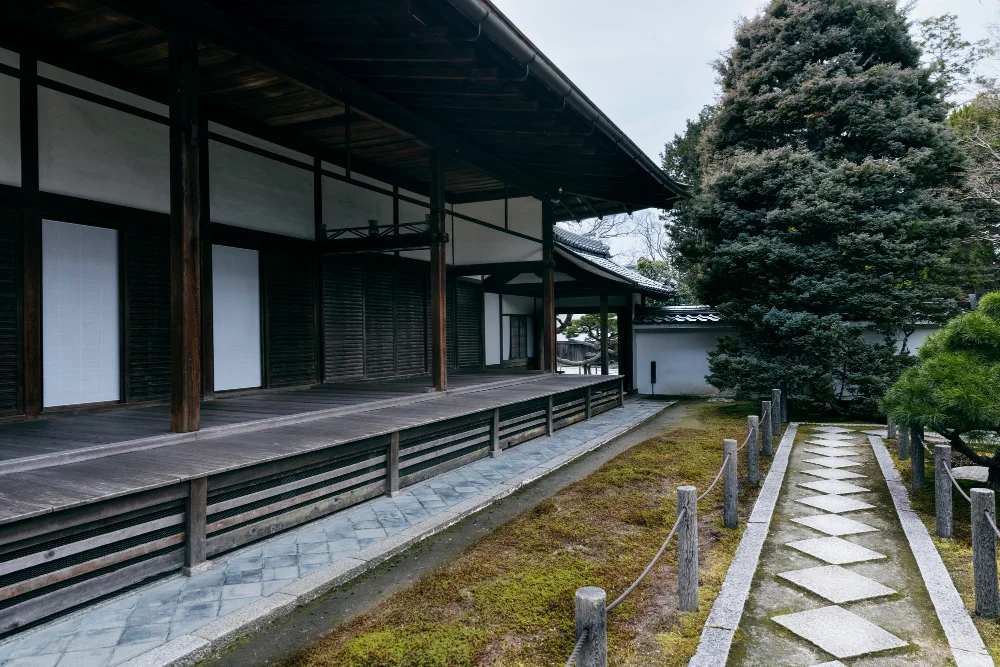
A modern Japanese home uses thoughtful design rather than excess. Everything from the flooring to the ceiling is selected with purpose. There is a rhythm to the layout, with rooms flowing into each other like water through a garden stream. This harmony creates a life of ease, beauty, and intention.
Materials like bamboo, stone, and wood are celebrated for their imperfections. Instead of hiding flaws, they are embraced as natural signs of beauty. These authentic materials keep the home feeling grounded and timeless, offering mental peace and physical comfort.
As a result, these homes offer something more than shelter. They provide mental peace, physical comfort, and a deep appreciation of the present moment. Whether in the city or countryside, the design serves the body and soul together.
Conclusion: The Lasting Appeal of a Modern Japanese Home
In the end, a modern Japanese home offers much more than aesthetic appeal. It creates a lifestyle centred on peace, balance, and thoughtful use of space. By blending traditional values with 2026 technology and design standards, these homes provide both comfort and cultural richness. According to Updatednetworth, embracing these principles can transform your environment into one that supports well-being every day.
Whether you’re building from scratch or remodelling, embracing the principles of a modern Japanese home can transform the way you live. It’s not just about design, it’s about creating an environment that supports clarity, calmness, and well-being every day.
Frequently Asked Questions (FAQs)
What defines a modern Japanese home in 2026?
A modern Japanese home is defined by minimalist design, a connection to nature through sliding glass doors, and the use of natural materials like yakisugi and bamboo.
What is the concept of “Ma” in Japanese design?
“Ma” refers to the intentional use of negative or empty space to create emotional clarity and physical openness within a home.
Are modern Japanese homes sustainable?
Yes, sustainability is a key feature in 2026, with many homes incorporating solar panels, recycled materials, and energy-efficient systems.
What are the common interior colors for this style?
The palette typically consists of muted, earthy tones such as beige, grey, and various light wood shades to maintain a calm atmosphere.