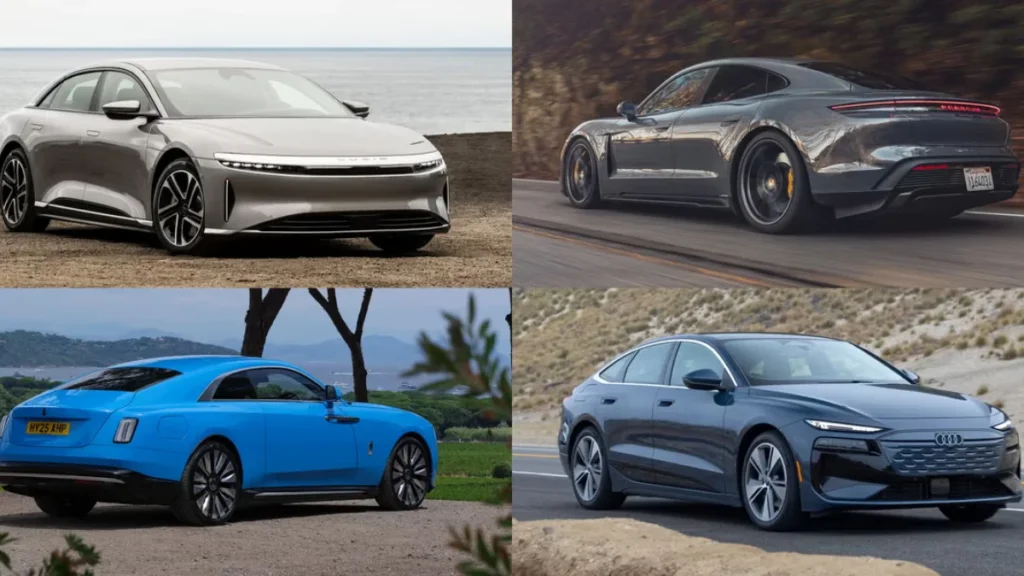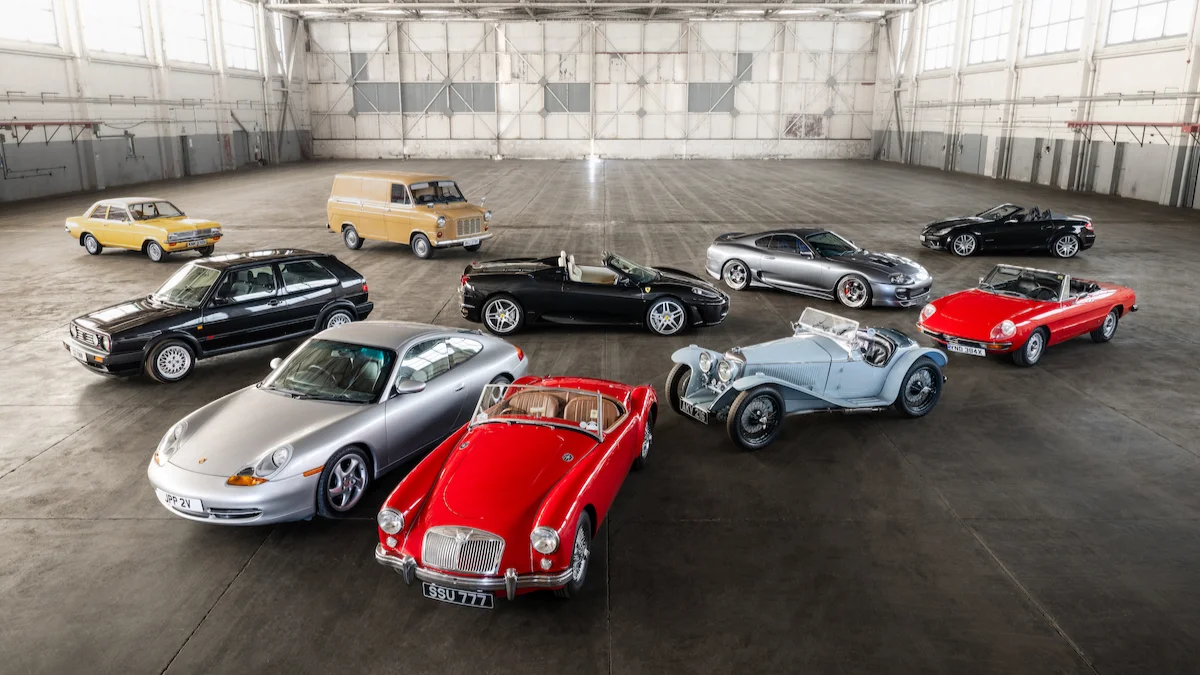

Rare classic luxury cars have long captured the imagination of enthusiasts and investors alike, especially when exploring trends in classic car values, collectible luxury cars, and vintage luxury autos that are also rare cars worth money. In 2026, interest in these timeless machines continues to surge, blending passion with tangible market results.
In this guide, we look at how rarity influences demand, which models stand out as investment targets, and how to evaluate and find these cars with confidence.
What Defines a Rare Classic Luxury Car?
Simply put, rare classic luxury cars are vehicles that combine historical significance with limited production and enduring desirability. You can think of them as more than transportation, these are pieces of automotive art whose values often reflect cultural status, not just engineering.

Key Rarity Factors
- Limited Production: Cars built in small numbers have fewer surviving examples.
- Provenance: Documentation of ownership and history enhances appeal.
- Aesthetic & Engineering Significance: Distinctive design and performance boost collector interest.
- Market Demand: Some models attract higher bidder interest at auctions.
Consequently, these factors heavily shape classic car values, and help determine which are recognized as truly collectible luxury cars.
Top Rare Classic Luxury Cars Worth Collecting 2026
Below is a curated table showing the most sought‑after rare classic luxury cars, their production numbers, and recent auction results, vital for understanding why they’re considered rare cars worth money.
| Car Model | Years Produced | Production Numbers | Recent Auction High ($) | Why It’s Valuable |
|---|---|---|---|---|
| Ferrari 250 GTO | 1962–1964 | 36 | ~$70,000,000 | Racing pedigree & ultra‑limited |
| Bugatti Type 57SC Atlantic | 1936–1938 | 4 | ~$40,000,000+ | Art Deco design & hyped rarity |
| Alfa Romeo 8C 2900B | 1937–1939 | 32 | ~$19,800,000 | Historic wins & low numbers |
| Mercedes‑Benz 540K | 1936–1940 | ~419 | ~$3,200,000 | Supercharged performance |
| Lamborghini Miura P400 SV | 1971–1973 | 150 | ~$3,500,000 | Mid‑engine icon |
| Aston Martin DB5 | 1963–1965 | 1,059 | ~$1,000,000+ | James Bond fame |
Real auctions, like Gooding & Company and RM Sotheby’s, consistently show how these models outperform typical classic cars in sales driven by scarcity, heritage, and community demand.
How Rarity Drives Classic Car Values
When evaluating classic car values, it’s critical to understand how rarity intersects with desirability. Below are core drivers that affect pricing and investment potential.
1. Production Rarity
Cars built in fewer numbers naturally attract more competitive bidding. For example:
- The Bugatti Atlantic’s four known examples make each model a historical treasure.
- On the other hand, a car like the Jaguar XK120 (with thousands produced) is beautiful, yet far less rare.
2. Documented History
Well‑documented lineage including original ownership and restoration records often boosts auction prices. A Ferrari once owned by a famous racer, for instance, can command millions more. This documentation not only proves authenticity but also reassures potential buyers of the car’s provenance.
3. Proven Restorations
Cars restored to factory specifications by respected experts tend to outperform poorly restored or modified ones in valuation. Meticulous restorations preserve originality and showcase the car’s true design and performance.
4. Cultural Relevance
Cars associated with pop culture such as the Aston Martin DB5 from James Bond films maintain strong collector demand and stable prices. Each of these factors influences how collectors differentiate between average classics and the elite tier of collectible luxury cars.
Case Studies: Rare Cars Worth Money
Here are two real world examples that show how rarity translates into significant market value.
Ferrari 250 GTO: The Pinnacle
- Only 36 were ever made.
- In 2018, a private sale reportedly reached ~$70 million, setting a record for vintage autos.
- This wasn’t just a car; it was a rally‑winning racer with a documented competitive legacy.
Alfa Romeo 8C 2900B: European Elegance Meets Rarity
- Just 32 units built.
- Auction houses like RM Sotheby’s have seen prices near $20 million.
- Strong demand stems from limited production plus racing history.
These stories show why discerning buyers see certain classics not just as automobiles, but as appreciating assets.
Where to Find Rare Classic Luxury Cars
Finding these rare gems requires strategy. Serious collectors look in the following places:
1. Major Auction Houses
- Gooding & Company
- RM Sotheby’s
- Barrett‑Jackson
These events often showcase the best preserved, documented, and authentically restored examples of rare models.
2. Specialized Dealers
Dealers focusing on vintage luxury autos can offer curated inventories and authentication insight, a boon for buyers seeking collectible luxury cars. They also provide access to rare models that are often unavailable through auctions or private sales.
3. Collector Networks & Clubs
Groups like Ferrari Club of America or Classic Car Club Manhattan often share leads on private sales before they hit the public market. Since these markets are active and nuanced, connecting with experts and attending shows can give you an edge.
Investing in Rare Classic Luxury Cars: What to Know
Many investors treat certain classics as alternative assets, and here’s what to focus on:
Investment Tips
- Create a watchlist of cars with historically stable or rising values.
- Prioritize cars with complete service and ownership records.
- Consider storage, insurance, and restoration costs — all factors in total ownership expense.
What to Watch Out For
- Cars with uncertain provenance often face valuation discounts.
- Over‑modified cars can lose authenticity-driven value.
- Market tastes can shift, so diversification (across marques or eras) helps manage risk.
Unlike traditional equities, these tangible assets can deliver joy and potential appreciation blending passion with profit.
Checklist: Evaluating a Rare Classic Luxury Car
Before buying, screen cars using this practical checklist:
Quality Checklist
- Documented ownership history
- Verified production number authenticity
- Factory‑correct parts and restoration
- Matching numbers (engine, chassis)
- Proven sales or auction record
- Condition report by expert appraiser
This kind of due diligence helps separate truly rare, high‑value models from mere vintage vehicles without significant market pull.
Conclusion
Rare classic luxury cars sit at the intersection of heritage and appreciation, offering both aesthetic enjoyment and potential value growth. When you understand what drives classic car values, identify truly collectible luxury cars, and learn where to find vintage luxury autos, you position yourself to make informed and confident decisions whether collecting for passion or treating these automobiles as assets.
For more insights on rare cars, market trends, and investment tips, visit UpdateNetworth.
Start exploring today and discover your next prized collectible.
FAQs
What makes a rare classic luxury car valuable?
The value of a rare classic luxury car is determined by its limited production, historical significance, documented ownership, restoration quality, and market demand. Cars with iconic designs or famous provenance often fetch higher prices at auctions.
How can I assess classic car values accurately?
Start by checking auction results, production numbers, restoration history, and market trends. Websites, collector guides, and professional appraisers provide reliable insights for assessing the true worth of a vintage luxury auto.
Which rare cars are worth money in 2026?
Cars like the Ferrari 250 GTO, Bugatti Type 57SC Atlantic, and Alfa Romeo 8C 2900B are consistently recognized as rare cars worth money due to their scarcity, racing pedigree, and collector demand.
Where can I find collectible luxury cars for sale in the U.S.?
Look at major auctions like RM Sotheby’s or Gooding & Company, specialized dealerships, and collector networks. Attending car shows or joining vintage car clubs often provides early access to rare models.
Are vintage luxury autos a good investment?
Many vintage luxury autos have historically appreciated in value, especially limited production models with documented histories. While they carry maintenance and storage costs, the right rare classic luxury cars can offer both enjoyment and long-term investment potential.
How do I verify the authenticity of a rare classic luxury car?
Verify the car’s documentation, factory numbers, restoration records, and ownership history. Professional inspections by certified appraisers or recognized dealers can confirm authenticity and ensure it meets collector standards.
What should I watch for when buying rare classic luxury cars?
Check for provenance, restoration authenticity, matching numbers, and overall condition. Avoid cars with unverified ownership or extensive modifications, as these factors can reduce classic car values and resale potential.
Can rare classic luxury cars be insured easily?
Yes, but policies often require expert appraisals, detailed documentation, and sometimes specialized coverage for classic or vintage luxury autos. Insurers consider rarity, market value, and usage when calculating premiums.
How do auctions affect the value of collectible luxury cars?
Auctions showcase the most sought-after rare cars, often driving competitive bidding that sets market benchmarks. Sales results from prestigious auctions like RM Sotheby’s or Bonhams influence future classic car values.
Are there regional differences in rare classic luxury car prices?
Yes. U.S., European, and Asian markets may value models differently based on demand, availability, and historical significance. Understanding local trends is essential for buyers and investors.