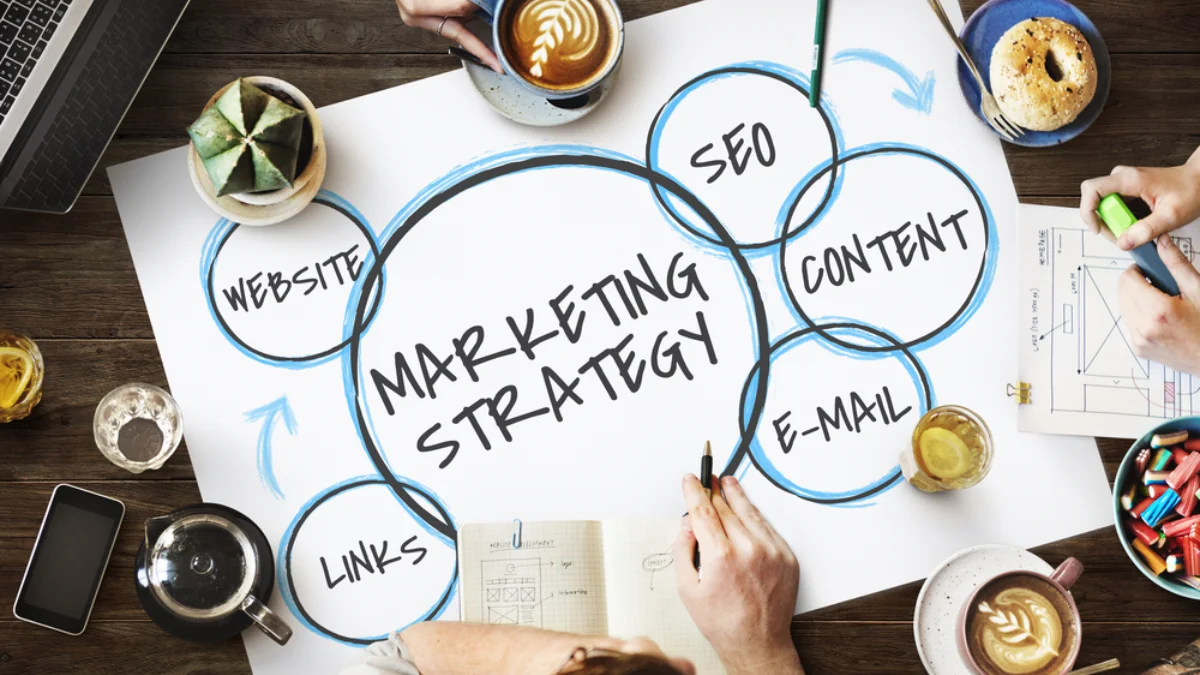

Small business marketing strategies are no longer about guesswork in 2026, they are about building a system that consistently attracts and converts customers. However, most small businesses still struggle because they rely on scattered tactics instead of a structured approach.
So, if you want real growth, you need strategies that not only drive traffic but also generate leads and sales. In this guide, you’ll discover a complete, step-by-step marketing system designed to help small businesses grow faster even on a low budget.
What Are Small Business Marketing Strategies?
Small business marketing strategies are structured methods used to attract, engage, and convert customers through channels like SEO, social media, email marketing, and paid ads. The most effective strategies focus on building awareness, nurturing trust, and driving consistent revenue growth.
Why Most Small Business Marketing Strategies Fail
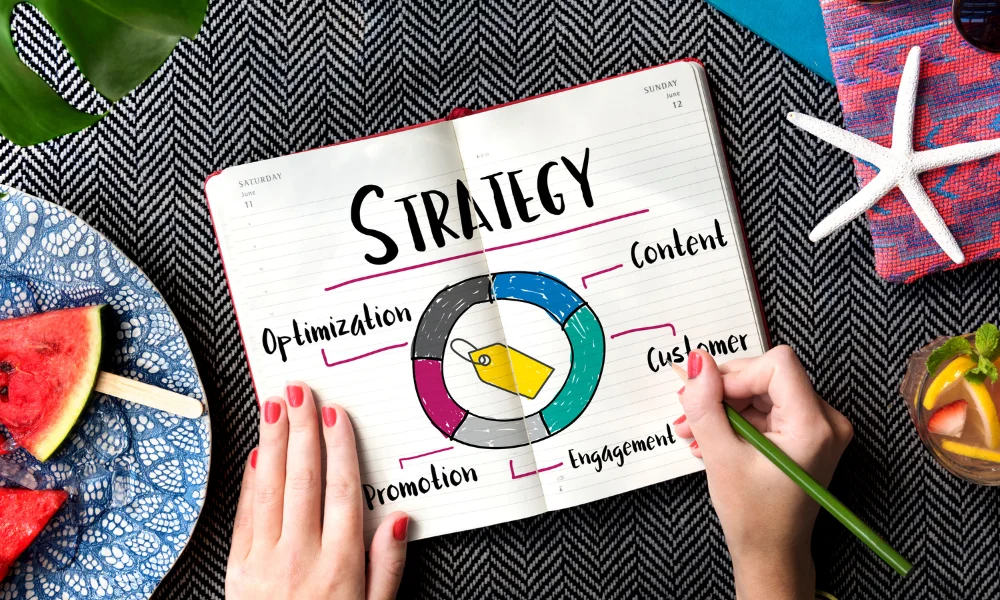
Although many businesses invest time and effort into marketing, they often fail to see results. This happens because they focus on tactics instead of strategy. As a result, their efforts remain inconsistent and ineffective.
- No Clear Marketing System:Most businesses try random strategies without understanding how they connect. Consequently, they fail to build momentum.
- Focusing on Traffic Instead of Revenue: While traffic is important, it does not guarantee sales. Therefore, focusing only on views or likes leads to poor ROI.
- :Lack of Consistency Even the best strategies fail without consistent execution. In other words, irregular efforts produce inconsistent results.
The Complete Small Business Marketing System
To succeed, you need a structured system instead of isolated tactics. This framework ensures that every marketing effort contributes to growth.
Core Marketing Framework:
Awareness: Attract new customers
Consideration: Build trust and authority
Conversion: Turn leads into buyers
Awareness Stage
At this stage, your goal is visibility. Therefore, focus on:
SEO for organic traffic
Social media content
Blog posts and videos
Consideration Stage (Build Trust and Authority)
Once people know you, you must build trust. So, use:
Email newsletters
Lead magnets (free guides, checklists)
Case studies
Conversion Stage (Generate Sales Consistently)
Finally, convert visitors into customers by:
Creating high-converting landing pages
Offering clear deals or discounts
Using retargeting ads
Best Small Business Marketing Strategies for Low Budget
If you are working with limited resources, you can still achieve strong results. In fact, some of the most effective strategies require little to no investment.
SEO for free organic traffic
Social media content marketing
Email marketing automation
Referral and word-of-mouth marketing
These strategies work because they focus on long-term growth rather than short-term spending.
Digital Marketing Plan for Small Business: Step-by-Step Execution
Instead of guessing what to do, follow this simple execution plan. As a result, you will build a consistent and scalable marketing system.
Step-by-Step Plan:
Set up a website and basic SEO
Create content regularly
Drive traffic through social media
Capture leads with email marketing
Optimize using analytics
- Day 1 to 7: Setup Phase: Start by creating your website, setting up social profiles, and optimizing basic SEO.
- Week 2 to 4: Traffic Phase: Focus on publishing content and promoting it across platforms.
- Month 2 to 3: Growth Phase: Analyze performance, improve strategies, and scale what works.
Best Marketing Strategies for Small Business Beginners
If you are just starting, it’s easy to feel overwhelmed. However, you don’t need to do everything at once. Instead, focus on simplicity and consistency.
The best marketing tips 2026 are:
Start with one platform
Create consistent content
Build a simple sales funnel
By doing this, you can achieve steady growth without burnout.
How to Market a Small Business Locally in the USA
Local marketing is one of the most powerful ways to attract customers. However, many businesses overlook it. Here is the checklist for usa small business marketing strategies.
Local Marketing Checklist:
Optimize your Google Business Profile
Use local SEO keywords
Collect customer reviews
Engage with your community
As a result, you can attract highly targeted customers who are ready to buy.
AI-Powered Small Business Marketing Strategies
In 2026, AI is transforming how businesses market themselves. Therefore, adopting these tools can give you a competitive edge.
Automated email campaigns
Chatbots for lead generation
Predictive analytics
These tools not only save time but also improve efficiency and personalization.
Real Examples of Small Business Marketing Strategies
To understand what works, let’s look at real-world outcomes:
| Strategy | Result |
|---|---|
| Email Marketing | High ROI and repeat customers |
| Referral Programs | Rapid customer growth |
| Local SEO | Consistent leads and traffic |
These examples show that focusing on proven strategies leads to measurable success.
Common Mistakes to Avoid in Small Business Marketing
Even with the right strategies, mistakes can slow your growth. Therefore, avoid these common issues:
Ignoring analytics and data
Targeting the wrong audience
Inconsistent branding
No clear call-to-action
By fixing these mistakes, you can significantly improve your results.
How to Choose the Right Marketing Strategy for Your Business
Not every strategy works for every business. So, you must choose based on your situation.
Low budget: Focus on SEO and organic content
Fast results: Use paid advertising
Local business: Prioritize local SEO
This approach ensures that your efforts align with your goals.
Conclusion
Small business marketing strategies in 2026 are all about building a system, not chasing random tactics. When you focus on awareness, trust, and conversion, your marketing becomes more effective and predictable.
So, instead of trying everything at once, start with a simple plan, stay consistent, and optimize over time. By doing this, you will not only attract customers but also turn them into loyal buyers.
FAQs
What is the best marketing strategy for small businesses in 2026?
The best marketing strategy for small businesses in 2026 is a combination of SEO, content marketing, and email marketing. While SEO helps attract consistent traffic, content builds trust with your audience. At the same time, email marketing allows you to nurture leads and convert them into paying customers. So, instead of relying on one method, a connected system delivers better results.
How can I promote my small business with a low budget?
You can promote your small business on a low budget by focusing on organic strategies like SEO, social media content, and referral marketing. In addition, creating valuable content regularly helps attract and engage your audience without paid ads. As a result, you build long-term visibility while keeping your costs minimal.
Which marketing strategy gives the fastest results for small businesses?
Paid advertising, such as Google Ads or social media ads, usually delivers the fastest results for small businesses. However, while ads can generate quick traffic and leads, they require a consistent budget. Therefore, many businesses combine paid ads with SEO to balance short-term gains and long-term growth.
How do I create a marketing plan for my small business?
To create a marketing plan, you should first define your target audience and business goals. Next, choose the right channels, such as SEO, social media, or email marketing. Then, create a content and promotion schedule to stay consistent. Over time, tracking performance and making improvements will help you achieve better results.
How long does it take for marketing strategies to work?
Most marketing strategies take around 2 to 3 months to show noticeable results, especially organic methods like SEO and content marketing. However, paid advertising can generate faster outcomes within days or weeks. That said, consistency and optimization play a key role in how quickly you see success.
What is the most cost-effective marketing strategy for small businesses?
SEO and email marketing are considered the most cost-effective strategies for small businesses. While SEO brings in free, long-term traffic, email marketing helps you convert and retain customers at a low cost. Therefore, combining both strategies can maximize your return on investment over time.