
Visual content is the heartbeat of digital presence. Whether you are building an online business, managing a growing brand, or curating a social media feed, the demand for high-quality graphics is non-negotiable. However, creating stunning visuals from scratch has historically required steep learning curves, expensive software licenses, and hours of tedious manual adjustments.
Enter artificial intelligence. By 2026, AI design tools are no longer simple prompt-to-image toys. They have matured into highly collaborative, context-aware environments capable of generating entire design systems, interactive prototypes, and multi-platform marketing suites in seconds.
If you want to stay competitive, streamline your creative workflow, and produce elite visual content without burning out, you need the right toolkit. This comprehensive, up-to-date guide breaks down the best AI design tools and platforms available in 2026, helping you choose the perfect creative partner for your unique workflow.
What Are AI Design Tools and How Do They Work?
At their core, AI design tools are applications powered by machine learning algorithms that assist, accelerate, or automate the generation of visual media. Unlike traditional graphic software where you must manually draw every vector and arrange every pixel, these platforms use deep learning models trained on millions of high-quality designs.
By analyzing layout structures, color theory, font pairings, and user engagement data, these tools understand what makes a design visually balanced and functional.
In 2026, this technology operates primarily through three core capabilities:
Generative Systems: Creating complete, editable design files from a natural language prompt (e.g., “Create a minimalist layout for a sustainable skincare brand’s Instagram grid”).
Adaptive Automation: Intelligently resizing, translating, and reformatting a single asset into dozens of different dimensions and languages simultaneously.
Intelligent Asset Enhancement: Isolating subjects, predicting color harmony, and auto-correcting composition in real-time.
For non-designers, these tools eliminate the barrier to entry, enabling anyone to produce professional assets. For creative professionals, they act as infinite brainstorming partners, removing the friction of repetitive layout work and allowing more time to focus on high-level strategy and art direction.
Why AI Design Platforms are the Creative Daily Driver in 2026

The rapid adoption of AI design software isn’t just about hype; it is a fundamental shift driven by real-world business demands:
Velocity and Multi-Channel Scaling: Audiences consume content across dozens of touchpoints—from vertical short-form videos to horizontal desktop banners. AI tools allow a single creator to generate cohesive cross-channel campaigns in minutes instead of days.
Unprecedented Cost Efficiency: Small businesses and bootstrapped startups can bypass heavy agency fees by using AI-driven branding tools to create ready-to-use marketing collateral instantly.
No-Code Creative Democratization: The learning curve of traditional design software has been replaced by natural conversation. If you can describe your vision in plain language, you can design it.
Deep Ecosystem Integration: Modern AI tools do not live in a vacuum. They are natively integrated into website builders, content management systems, and ad-buying platforms, making the transition from design to distribution seamless.
Core Features to Look for in the Best AI Design Tools

Not all AI design platforms are created equal. Some are built for logo generation, while others are meant for full-scale marketing campaigns. Here are the features that set the best tools apart in 2025.
User Interface and Ease of Use
The best AI design platforms offer:
- Drag-and-drop functionality
- Guided prompts and suggestions
- One-click resizing and exporting
- Clean, intuitive dashboards
Canva and Looka, for example, make onboarding incredibly simple, even for users with zero design background. A great UI means less time learning and more time creating.
Automation Capabilities and Smart Suggestions

AI design thrives on automation. Look for platforms that offer:
- Smart layout generation based on your input
- Automatic font and color pairings
- One-click content repurposing for different platforms
- Predictive text-to-design options
Adobe Firefly and Designs.AI excel here, giving users the ability to generate video banners, social posts, or even ad creatives with minimal input.
Customization and Brand Kit Support
While automation is useful, flexibility is key. Good platforms allow you to:
- Save and apply brand colors, fonts, and logos
- Modify generated designs manually
- Export in high-quality formats (SVG, PDF, PNG)
Figma’s AI plugins, for example, let you build design systems that adapt to your brand’s evolving needs. Canva Pro allows you to save brand kits and apply them to any new design in seconds.
Top AI Design Tools and Platforms in 2026

Choosing the right AI design platform depends on your goals, whether you’re building a logo, creating a pitch deck, or developing UI prototypes. Below are the leading tools that dominate the AI design space in 2026, each with its own strengths.
Canva AI: For Fast, Beginner-Friendly DZesign
Canva remains a go-to platform for both casual and professional users. Its AI-powered features, especially the “Magic Design” tool, allow users to input a few ideas or keywords and receive polished design suggestions almost instantly.
Key Features:
- Drag-and-drop editor with AI-powered design generation
- Automatic resizing for social media platforms
- Magic Write and Magic Design for content and layout automation
- Supports team collaboration and brand kits
Best For:
- Social media graphics
- Presentations
- Marketing flyers
Why It Stands Out:
Even a complete beginner can generate quality content in minutes. Its AI helps streamline workflow without sacrificing customization.
Adobe Firefly: For Professional Grade AI Creativity
Adobe’s Firefly is designed for advanced users who want the power of Adobe tools combined with the intelligence of AI. It integrates with the Adobe Creative Cloud suite and brings AI-powered features into Photoshop, Illustrator, and more.
Key Features:
- Text-to-image generation
- Smart recoloring and style transfer
- Inpainting and image editing via AI
- Seamless compatibility with Adobe Suite
Best For:
- Branding and creative campaigns
- High-resolution visuals
- Design agencies and professionals
Why It Stands Out:
Its deep integration with existing Adobe tools makes Firefly perfect for pros who want full control over AI-enhanced creativity.
Looka: Best for Branding and Logo Creation
If your focus is on creating a logo and full brand identity quickly, Looka is one of the best tools out there. It uses AI to generate stunning logos based on your preferences and packages them into cohesive branding kits.
Key Features:
- Smart logo generator based on industry and style inputs
- Creates brand kits including fonts, color palettes, and business cards
- Multiple logo variations with instant customization
Best For:
- Startups
- Personal branding
- Small businesses
Why It Stands Out:
No design skills needed. Within minutes, users can download complete branding assets that look professional and on-trend.
Designs.AI: All-in-One Marketing Design Suite
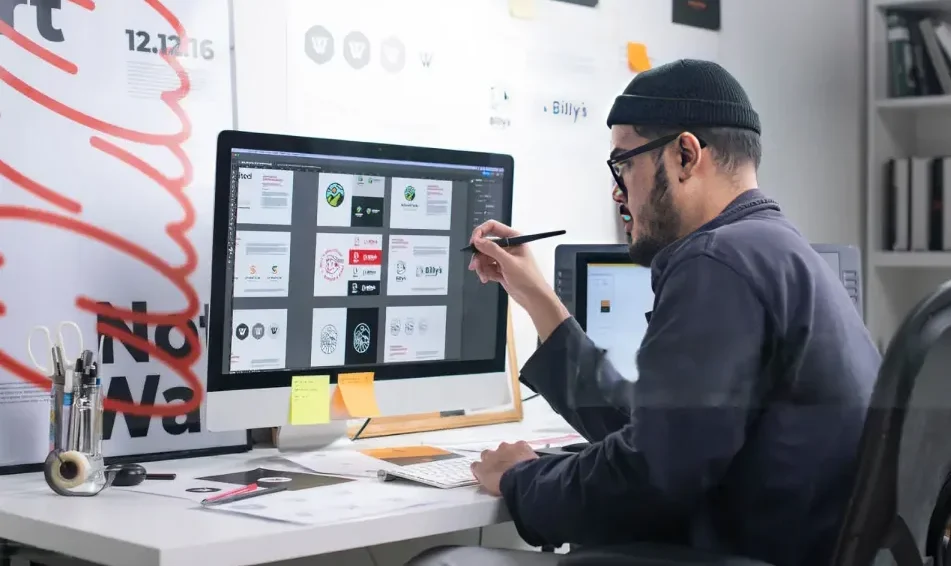
Designs.AI offers more than just graphics. It’s a multi-functional platform for creating videos, voiceovers, logos, and even written content, making it ideal for marketers who need diverse content types fast.
Key Features:
- AI video, logo, and banner creation
- Voiceover and script generator
- Supports 20+ languages
- Simple drag-and-drop builder
Best For:
- Digital marketing teams
- Campaign creation
- Multilingual brands
Why It Stands Out:
Designs.AI combines multiple creative needs into a single dashboard. It’s especially valuable for agencies and global brands.
Figma AI Plugins: For UI/UX and Product Teams
Figma has introduced AI plugins that revolutionize UI/UX design workflows. These tools generate wireframes, buttons, and layouts based on descriptions, reducing the time spent building interfaces from scratch.
Key Features:
- Text-to-wireframe generation
- Layout suggestions based on use case
- Component auto-fill and smart prototyping
- Collaboration-ready for remote teams
Best For:
- Web and app designers
- Product developers
- UX researchers
Why It Stands Out:
Figma’s AI doesn’t just enhance creativity; it improves speed and collaboration across entire product teams.
VistaCreate AI: Social Media Visuals at Scale
Formerly Crello, VistaCreate now offers AI features tailored for social media marketing. It automates image resizing, applies brand assets, and generates visuals using prompt-based inputs.
Key Features:
- Pre-sized templates for every platform
- Prompt-to-design automation
- Brand kit support
- Animation and motion graphics
Best For:
- Influencers
- E-commerce businesses
- Content creators
Why It Stands Out:
VistaCreate AI makes batch content creation for social media simple and scalable, perfect for marketers who need daily visuals fast.
Use Cases of AI Design Platforms

AI design tools are versatile, capable of serving everyone from individual creators to large-scale agencies. Below are the most common and effective ways these platforms are used in 2025.
Social Media Marketing with AI Design Tools
Many of the best AI design tools and platforms now offer automated social content templates designed for high engagement and brand consistency. Design tools help content creators and brands keep up with the high demand for daily social media content.
Why it’s effective:
- Instant resizing for platforms like Instagram, TikTok, and LinkedIn
- Automated templates for reels, stories, and ads
- Brand consistency with auto-applied fonts and colors
Who benefits most:
- Influencers
- Social media managers
- Agencies producing client content
Platforms like Canva AI and VistaCreate are favorites in this space because they combine smart design automation with robust customization features.
Brand Identity and Logo Design
Creating a complete brand identity used to take days of work with a professional designer. Now, AI platforms like Looka and Designs.AI deliver:
- Logo variations with instant previews
- Matching fonts and brand color schemes
- Export-ready branding kits
Ideal for:
- Startups needing a brand presence fast
- Freelancers looking to rebrand themselves
- Small businesses with tight budgets
These tools make branding faster, more affordable, and visually consistent across all touchpoints.
Web Design and UI/UX Prototyping
In product development, time-to-prototype is critical. Figma’s AI plugins now allow teams to:
- Auto-generate wireframes from simple prompts
- Maintain UI consistency across components
- Reduce repetitive layout tasks
Used by:
- UX/UI designers
- App developers
- SaaS startups needing quick MVPs
AI in UI/UX not only accelerates design but also promotes better user experiences by suggesting industry-standard components and layouts.
How to Select Your Perfect AI Design Toolkit
To get the most value out of your creative software, match your tool selection to your specific organizational goals:
For Instant, Comprehensive Branding: Go with Looka. It is unmatched in its ability to turn a simple business idea into a professional, cohesive brand kit in minutes.
For Everyday Social & Presentations: Use Canva AI. Its ease of use, robust template catalog, and powerful Magic Studio tools make it the ultimate day-to-day workhorse.
For High-End Editing & Complete Artistic Control: Choose Adobe Firefly. It provides the deep, pixel-perfect editing capabilities and industrial-strength features that professional designers demand.
For Digital Interfaces & Prototyping: Stick to Figma with AI plugins. It is the absolute industry standard for building user interfaces and testing dynamic user flows.
Paid vs Free AI Design Tools
Most platforms offer free versions, but these are often limited.
Free Plans Usually Include:
- Basic templates
- Limited downloads
- Watermarked exports
Paid Plans Offer:
- High-res exports
- Full branding kits
- Commercial usage rights
- Access to AI-powered premium features
Tip: Start with a free plan to test, then upgrade if the tool fits your workflow.
Platform-Specific Needs
| Need | Recommended Tool |
| Logos & Branding | Looka, Designs.AI |
| Social Content | Canva AI, VistaCreate |
| UI/UX Design | Figma AI Plugins |
| Video & Voice Assets | Designs.AI |
| Advanced Design Editing | Adobe Firefly |
Match the tool to your core needs, then explore integrations and exports based on your project requirements.
Future of AI Design Platforms

AI design isn’t just a short-term trend; it’s the future of how we create. As these tools continue to evolve, expect major shifts in functionality, personalization, and collaboration.
Real-Time Collaboration With AI
Soon, AI won’t just be a generator; it’ll be a live design assistant. Imagine:
- As you design a layout, AI offers instant improvement suggestions
- During team meetings, AI proposes variations in real-time
- Designers co-create with AI, not just use it as a static tool
This real-time dynamic is already being tested in tools like Figma and Adobe.
Adaptive and Personalized AI Designs
Personalization is the next frontier:
- AI tools will learn your design style over time
- Platforms will adapt layouts, colors, and themes based on past projects
- You’ll spend less time editing and more time deploying finished visuals
Imagine an AI design tool that knows your brand better than a freelancer. That’s where we’re headed.
Conclusion
The evolution of visual technology has fundamentally reshaped how we tell stories, build businesses, and express ideas. By choosing to embrace these tools, you aren’t replacing human talent—you are amplifying it. You can automate the tedious, layout-heavy tasks, spark fresh creative concepts, and bring your vision to life faster than ever before.
As we explore this exciting landscape of visual automation, staying ahead of the curve is essential. Keep experimenting with these top tools, refine your creative workflows, and continue to elevate your brand presence. For more up-to-date guides, expert tech analysis, and wealth-building insights, keep exploring updatednetworth.
Frequently Asked Questions (FAQs)
1. What is the most beginner-friendly AI design tool?
Canva AI is widely considered the easiest tool for beginners. Its drag-and-drop mechanics, combined with guided AI prompts and pre-formatted templates, require zero prior design experience to master.
2. Can I use AI-generated graphics for commercial purposes?
Yes, most premium subscriptions (like Canva Pro, Looka, or Adobe Firefly) grant users full commercial licenses for the designs they create. Always check the specific terms of service of your chosen platform to ensure absolute compliance before running large-scale paid ad campaigns.
3. Which AI design platform is best for creating a business logo?
Looka is highly recommended for logo design. It is built specifically to analyze your industry’s aesthetics and generate hundreds of tailored, high-resolution branding assets.
4. Is Adobe Firefly safe for brand use?
Yes. Adobe Firefly is trained on licensed imagery and public domain content. This completely eliminates the risk of copyright issues, making it the safest option for enterprise brands and professional agencies.
5. Can AI design tools generate full UI/UX web designs?
Yes. By using Figma’s AI plugins, design teams can instantly generate functional wireframes, landing page layouts, and UI component libraries using natural language commands.
6. Do I need to be a professional designer to use these tools?
Not at all! The primary goal of modern creative AI platforms is the democratization of design. If you have an idea and can write a simple prompt, these tools will handle the technical layout, spacing, and styling for you.