AI drawing generator technology is reshaping every part of our lives — and art is no exception. In the past, creating a detailed drawing required hours of practice, patience, and years of artistic skill. Today, an AI drawing generator can produce stunning artwork in seconds, even for people who cannot draw a stick figure.
This shift is making art more accessible, faster, and surprisingly powerful. Whether you are a student needing illustrations, a business owner designing logos, or a gamer imagining original characters, AI tools can turn your ideas into professional visuals instantly. This guide from Updatednetworth covers everything you need to know in 2026.
In this article, we’ll explore how these tools work, their benefits, real-world examples, challenges, and what the future holds for AI-powered art.
What Is an AI Drawing Generator?
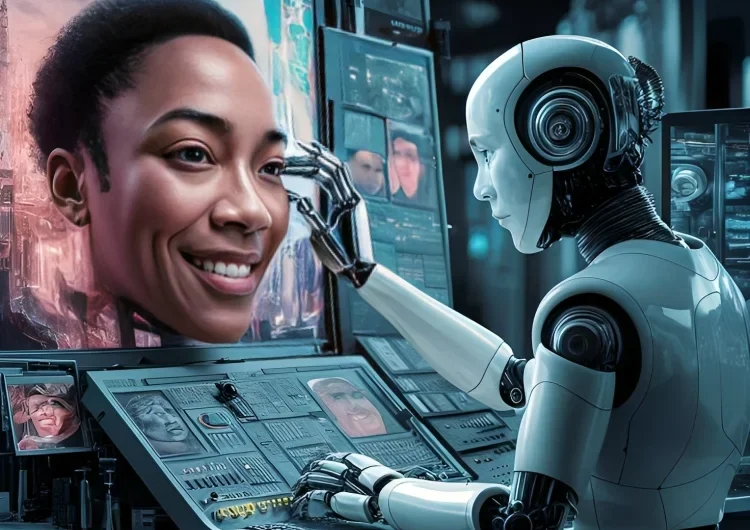
An AI drawing generator is a tool that uses artificial intelligence to create drawings based on your input. You can type a description, upload a reference image, or select a visual style, and within seconds, the AI produces original artwork tailored to your request.
How Does It Work?
- Text-to-Image: Type “a sunset over a futuristic city,” and the tool creates a sketch or painting.
- Style Customization: Choose between pencil sketch, anime, watercolor, or hyper-realistic.
- Editing Options: Many platforms let you refine or enhance the result.
- Instant Results: What would take hours for a human artist can now happen instantly.
It’s like having a personal artist available 24/7, ready to bring your imagination to life.
How AI Drawing Generators Work Behind the Scenes
AI drawing tools rely on machine learning models trained on millions of images. These models learn shapes, colors, textures, and artistic styles, then combine them in creative and original ways based on your specific input.
The Process
- Input – You describe what you want: “A dragon flying over mountains.”
- Interpretation – The AI analyzes the words and converts them into visual elements.
- Drawing Generation – Using neural networks, it creates the image.
- Refinement – You can tweak the drawing until it matches your vision.
Key Technologies
- Neural Networks: Recognize patterns, shapes, and visual structures from millions of training images.
- GANs (Generative Adversarial Networks): Generative Adversarial Networks compete internally to make drawings progressively more realistic and detailed.
- Diffusion Models: Add fine details including shading, texture, and lighting, producing the polished final output.
This technology works like a brain that studies art, then applies that knowledge to new creations.
Benefits of Using an AI Drawing Generator
Why are these tools becoming so popular? Let’s break down the benefits.
- Saves Time: Professional-quality artwork produced in seconds instead of hours or days.
- Affordable: Many platforms are completely free or significantly cheaper than hiring a professional artist.
- Accessible: No drawing skills, artistic training, or prior experience needed whatsoever.
- Boosts Creativity: Outstanding for brainstorming, generating concepts, and overcoming creative block.
- Flexible: Equally useful for students, marketers, game designers, and everyday hobbyists.
- Instant Iteration: Generate and compare dozens of variations in minutes to find the perfect result.
Imagine preparing a school project with custom illustrations, or a business creating social media graphics and ad banners instantly, AI drawing generators make both scenarios possible with zero artistic background required.
Top AI Drawing Generator Tools in 2025
Here are some of the most popular tools available today:
1. DALL·E 3
- Text-to-drawing AI from OpenAI
- Produces high-quality, creative illustrations
2. Stable Diffusion
- Open-source AI model
- Great for customization and advanced users
3. MidJourney
- Famous for unique, artistic, stylized drawings
- Popular among digital creators
4. Fotor AI Drawing Generator
- Beginner-friendly and quick to use
- Works well for personal projects
5. Artbreeder
- Let’s users blend and morph images
- Great for character design and experimentation
Each tool has its strengths, making them useful for different audiences.
Best Use Cases of an AI Drawing Generator
Marketing and Advertising
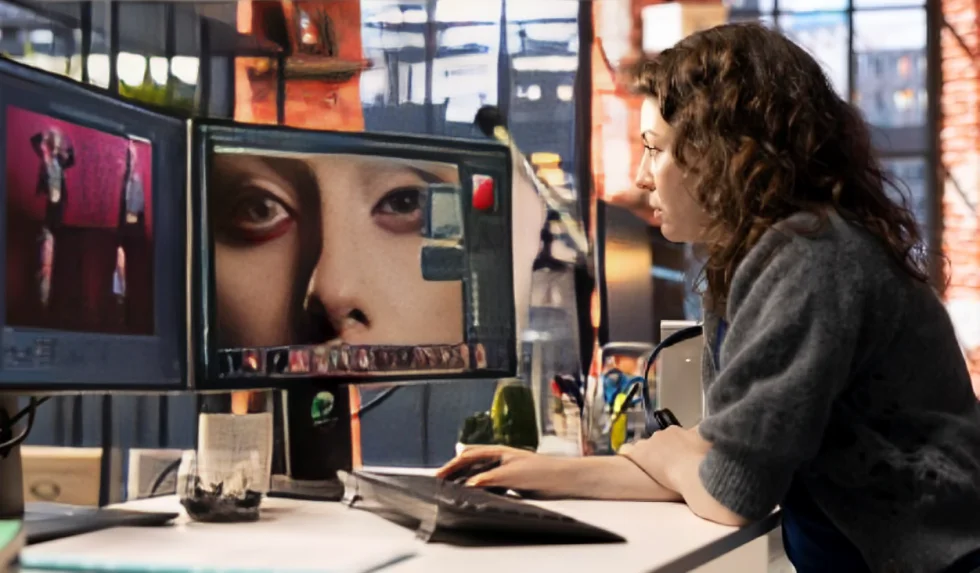
Businesses design ads, social media banners, and logos instantly without waiting for a designer or paying high creative fees.
Education
Teachers create custom lesson visuals and students generate illustrations for school projects, reports, and presentations quickly.
Gaming and Entertainment
Game developers and creators produce original characters, environmental maps, and visual storyboards at dramatically reduced cost and time.
Personal Creativity
Anyone can make custom greeting cards, digital prints, posters, and personal art projects without any formal artistic training.
AI Drawing Generator vs. Traditional Art
| Feature | AI Drawing Generator | Traditional Art |
|---|---|---|
| Speed | Seconds to minutes | Hours to days |
| Skill Required | None — anyone can use it | Years of dedicated practice |
| Customization | Prompt-based, some limits | Unlimited creative control |
| Cost | Often free or low-cost | Expensive materials and time |
| Originality | AI-trained pattern combinations | 100% unique human creation |
| Emotional Depth | Limited by training data | Full human emotional expression |
AI drawing tools are not designed to replace human artists, they are built to complement them. Many professional artists in 2026 use AI drawing generators to accelerate their workflows, generate initial concepts, and explore ideas before committing to a final piece.
Challenges and Limitations of AI Drawing Generators
Despite their power, these tools have limitations:
- Originality concerns: AI art is inspired by and derived from existing styles and artworks in its training data.
- Ethical and copyright questions: Ongoing debates about who owns AI-generated artwork and whether training on copyrighted images is fair.
- Quality inconsistency: Some outputs may look odd, distorted, or incomplete — especially with complex prompts.
- Creativity limits: AI follows learned rules and patterns. Human artists break those rules to innovate — something AI cannot yet replicate.
- Commercial use restrictions: Not all platforms allow generated images to be used freely in commercial projects without a paid subscription.
These challenges highlight the need for balance between AI and human creativity.
Tips for Getting the Best Results with an AI Drawing Generator
- Write detailed prompts: Be specific about colors, art style, mood, lighting, and subject. More detail produces better, more targeted results.
- Try multiple variations: Generate several different versions of your prompt and compare them before choosing your final output.
- Combine human and AI creativity: Edit and enhance AI-generated drawings manually to add your own personal touch and make them truly unique.
- Stay updated on new tools: AI drawing technology is advancing rapidly in 2026. New model updates frequently deliver dramatically improved quality.
- Experiment with style keywords: Add style descriptors like “watercolor,” “cinematic,” “oil painting,” or “anime” to dramatically change the visual output.
Like any tool, practice makes perfect. The more you use it, the better your outcomes.
The Future of AI Drawing Generators
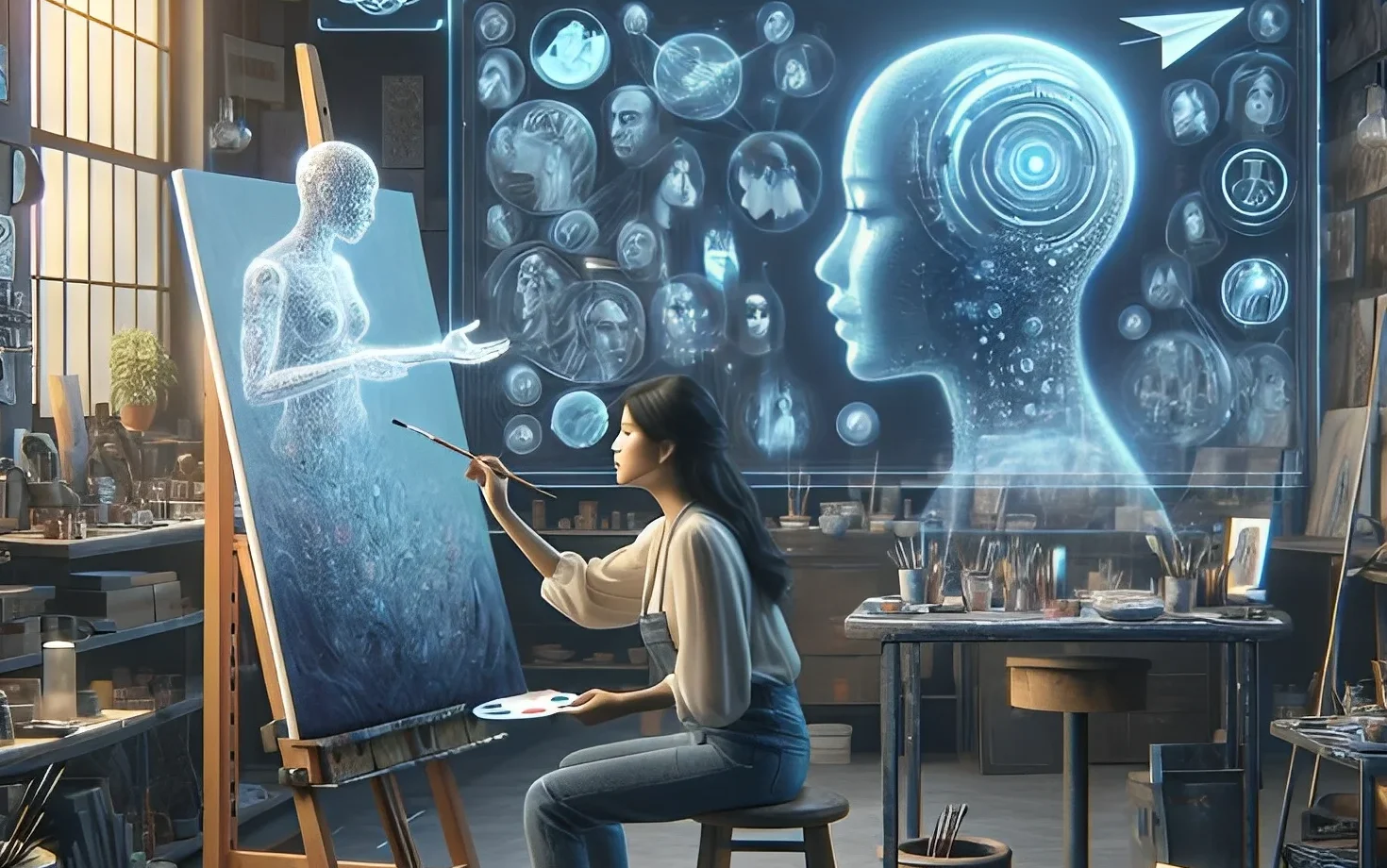
Looking ahead, experts expect these tools to get even better:
- Full 3D drawing generation from text descriptions — from 2D sketches directly to complete 3D models
- Real-time collaboration between human artists and AI working together simultaneously in shared creative spaces
- AR and VR integration — immersive digital artwork you can experience and interact with in three dimensions
- Stronger ethical frameworks — clearer copyright policies and usage rights for commercially generated AI artwork
- AI models that learn your personal drawing style and replicate it consistently across all future outputs
The line between human-made and AI-generated art will continue to blur in the years ahead. The most successful creators in 2026 and beyond will be those who embrace AI drawing generators as powerful creative partners, combining machine speed with human imagination for results neither could achieve alone.
Conclusion: AI Drawing Generator as a Creative Partner
The rise of the AI drawing generator is transforming art permanently and for the better. What once required years of dedicated practice can now be achieved with a single well-written prompt. These tools do not replace traditional artists, instead, they serve as creative partners, making art faster, more accessible, and more inclusive for everyone.
Whether you need visuals for work, education, gaming, marketing, or purely personal enjoyment, an AI drawing generator can help you produce stunning results in seconds. The best outcomes in 2026 come from combining the speed and consistency of AI with the originality and emotional depth of human creativity.
For more guides on AI tools, technology, and creative resources, visit Updatednetworth.
Frequently Asked Questions
How does an AI drawing generator work?
An AI drawing generator relies on neural networks, Generative Adversarial Networks (GANs), and diffusion models trained on millions of existing images. When you enter a text description or prompt, the AI interprets the keywords and generates a brand-new, customized image by combining learned shapes, textures, and artistic styles in seconds.
Is AI-generated art considered original?
Yes, each output from an AI drawing generator is technically unique and has not existed before, even if you run the same prompt multiple times. However, it is important to remember that the artwork is generated by recognizing and combining visual patterns and styles learned from a massive dataset of existing human art.
Can I use AI-generated art for commercial purposes?
Whether you can use AI art commercially depends entirely on the specific platform and its license terms. Many AI platforms allow full commercial usage only under their paid subscription plans, while restricting commercial rights on their free tiers. You should always check the tool’s specific terms of service before using its art commercially.
Which AI drawing generator is best for beginners?
For beginners in 2026, platforms like Fotor AI and Artbreeder are highly recommended due to their simple, user-friendly interfaces. OpenAI’s DALL·E 3 is also an excellent option because it understands natural, conversational text prompts exceptionally well without requiring complex “prompt engineering” skills.
Will AI drawing generators completely replace human artists?
No, AI drawing tools are designed to complement human artists rather than replace them. While AI excels at extreme speed, instant iteration, and brainstorming concepts, it lacks the true emotional storytelling, cultural depth, and completely original innovation that human creators bring to meaningful artwork.