The world’s leading Luxury Fashion Houses have built their reputations by combining traditional craftsmanship with contemporary creativity. From beautifully tailored garments and iconic handbags to haute couture collections and exclusive runway presentations, these fashion houses continue to influence how people understand elegance and personal style.
What makes these brands particularly interesting is their history. Many began as small workshops or specialized businesses before becoming internationally recognized names. Over generations, they developed recognizable identities that distinguish them from ordinary clothing labels.
Today, luxury fashion brands continue to evolve while protecting the traditions that made them successful. Some focus on haute couture, while others are known for leather craftsmanship, innovative silhouettes, or sophisticated ready-to-wear collections.
In this article, we explore five heritage fashion houses that have helped define high fashion, examining their histories, signature styles, and lasting influence on the global fashion industry.
1. Chanel – The Art of Timeless French Elegance
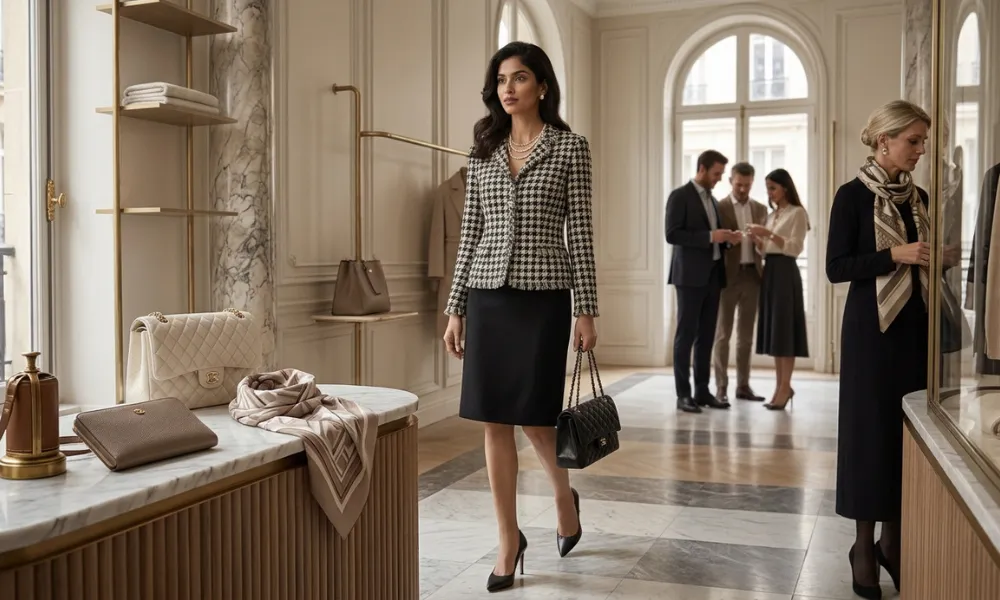
Chanel is one of the most influential fashion houses in the world, recognized for its timeless designs, sophisticated accessories, and contribution to modern women’s fashion. Founded by Gabrielle “Coco” Chanel in 1910, the French luxury brand challenged traditional clothing conventions by introducing comfortable yet elegant designs.
Before Chanel became internationally famous, women’s fashion was often associated with restrictive silhouettes and elaborate garments. Coco Chanel introduced a different approach, emphasizing simplicity, practicality, and understated elegance.
One of the brand’s most recognizable contributions is the Chanel tweed jacket. Its structured yet comfortable design became a defining element of the house’s identity. The iconic Chanel 2.55 handbag, introduced in February 1955, also remains one of the most recognizable luxury accessories.
Chanel is equally famous for its fragrance collection, particularly Chanel No. 5, which became an enduring symbol of luxury and sophistication.
Today, the fashion house continues to influence international fashion through its ready-to-wear collections, haute couture presentations, handbags, footwear, jewelry, and beauty products.
What Makes Chanel Special:
Timeless tweed jackets and coordinated suits.
Iconic quilted handbags.
Classic black-and-white styling.
Refined French elegance.
Prestigious haute couture collections.
A strong heritage of innovative fashion design.
Why It Defines High Fashion
Chanel’s influence comes from its ability to make simplicity feel luxurious. Its designs demonstrate that elegance does not always require elaborate details or excessive decoration. Instead, thoughtful tailoring, quality materials, and recognizable design elements can create lasting appeal.
Best Known For: Classic handbags, tweed jackets, haute couture, and timeless French luxury.
2. Louis Vuitton – A Legacy of Luxury Travel and Craftsmanship
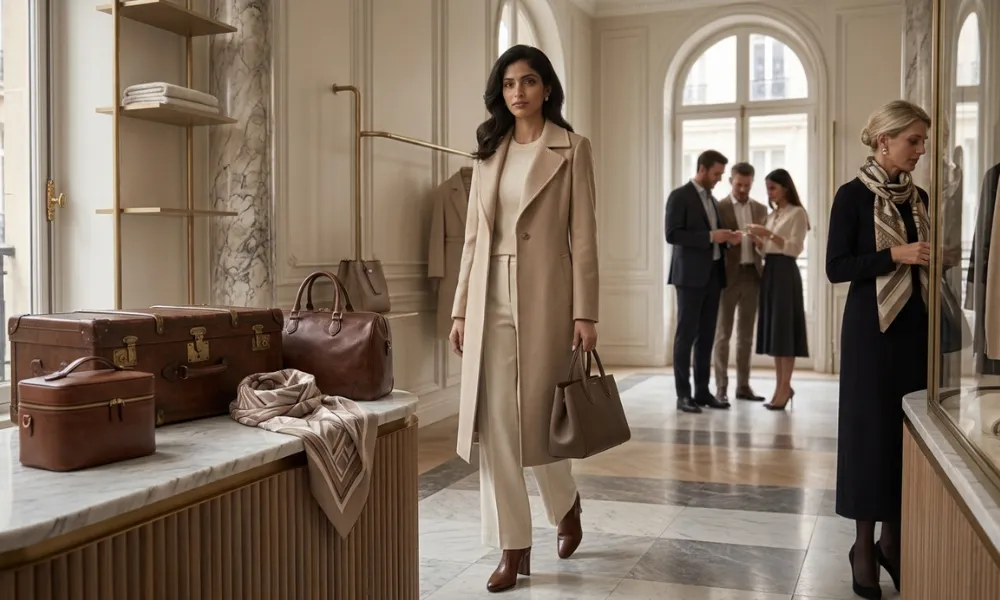
Louis Vuitton is one of the world’s most recognizable luxury fashion brands, with a heritage rooted in travel, craftsmanship, and innovative design.
Founded in Paris in 1854 by Louis Vuitton, the company originally specialized in creating high-quality travel trunks. At a time when traveling with luggage was often inconvenient, Louis Vuitton introduced practical trunk designs that combined durability with sophisticated construction.
The brand gradually expanded its collections, introducing handbags, accessories, clothing, footwear, and other luxury products.
Its signature monogram canvas, featuring the recognizable LV initials and floral motifs, became one of the most famous visual identities in luxury fashion.
Louis Vuitton is particularly admired for its leather craftsmanship and iconic handbag collections. Designs such as the Speedy, Neverfull, and Alma have become recognizable pieces among luxury fashion enthusiasts.
The brand also plays an important role in contemporary fashion through runway collections and collaborations with artists and designers.
Its ready-to-wear collections combine traditional luxury elements with modern silhouettes, creating a distinctive approach to high fashion.
What Makes Louis Vuitton Special:
Heritage rooted in luxury travel.
Recognizable monogram canvas.
Iconic handbag collections.
Premium leather craftsmanship.
Contemporary ready-to-wear designs.
Artistic collaborations and innovative collections.
Why It Defines High Fashion
Louis Vuitton successfully transformed its original travel-focused business into a global luxury fashion house without abandoning its historical identity. Its continued emphasis on craftsmanship, design innovation, and recognizable products demonstrates how heritage can remain relevant in modern fashion.
Best Known For: Luxury handbags, travel trunks, leather goods, monogram accessories, and designer fashion.
3. Dior – Where Haute Couture Meets Modern Femininity
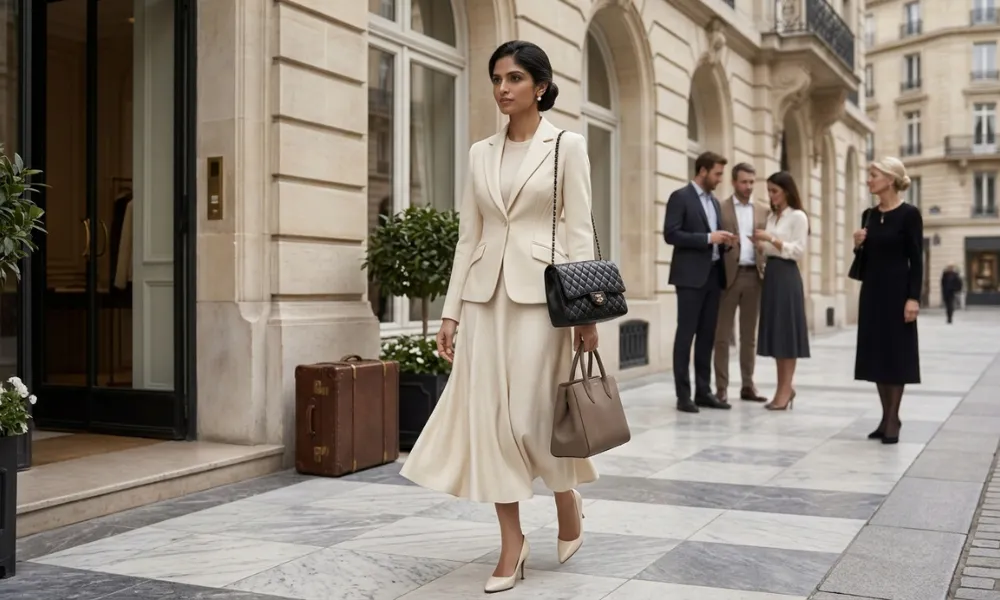
Dior is one of the most celebrated French heritage fashion houses, known for its elegant silhouettes, refined craftsmanship, and influential contribution to haute couture.
Founded by Christian Dior in 1946, the fashion house quickly became famous after presenting its first collection in 1947. The collection introduced what became known as the New Look, featuring rounded shoulders, defined waists, and full skirts.
This silhouette transformed post-war fashion and reintroduced a sense of glamour and femininity into women’s clothing.
Over the decades, Dior has continued to develop its identity through haute couture, ready-to-wear collections, handbags, footwear, fragrances, and accessories.
The Lady Dior handbag is among its most recognizable creations. Its structured shape, quilted cannage pattern, and distinctive charms have made it a favorite among luxury fashion enthusiasts.
Dior’s haute couture collections remain an important expression of traditional craftsmanship. Skilled artisans work with delicate fabrics, embroidery, and intricate construction techniques to create elaborate garments.
The house also maintains a strong presence in contemporary fashion, regularly introducing collections that reinterpret its historical design language.
What Makes Dior Special:
Iconic New Look silhouette.
Elegant and feminine tailoring.
Lady Dior handbag.
Intricate embroidery and craftsmanship.
Prestigious haute couture collections.
A distinctive French fashion identity.
Why It Defines High Fashion
Dior demonstrates how traditional fashion techniques can influence modern design. Its ability to reinterpret classic silhouettes while maintaining a recognizable identity has helped establish it as one of the most important haute couture brands.
Best Known For: Haute couture, elegant dresses, Lady Dior handbags, and sophisticated French fashion.
4. Gucci – Italian Luxury with a Bold Creative Identity

Gucci is an internationally recognized Italian fashion house known for its distinctive aesthetic, exceptional leather goods, and adventurous approach to design.
Founded in Florence in 1921 by Guccio Gucci, the company initially focused on leather luggage and accessories inspired by equestrian culture and refined travel traditions.
Over time, Gucci developed into a major international fashion brand, expanding into handbags, clothing, footwear, belts, jewelry, fragrances, and other luxury accessories.
Some of its most recognizable design elements include the interlocking GG logo, green-and-red web stripe, horsebit detailing, and distinctive leather craftsmanship.
The Gucci Horsebit 1955 handbag is a particularly recognizable example of the brand’s heritage. Its design references the house’s equestrian inspiration while maintaining a contemporary appearance.
Gucci is also known for its expressive approach to fashion. Compared with some traditional luxury labels, its collections frequently explore bold colors, unusual combinations, decorative patterns, and distinctive silhouettes.
This creative personality has helped Gucci attract fashion enthusiasts who appreciate individuality and statement-making designs.
What Makes Gucci Special:
Italian leather craftsmanship.
Recognizable GG monogram.
Iconic horsebit detailing.
Distinctive handbags and footwear.
Bold and expressive fashion collections.
Strong heritage in luxury accessories.
Why It Defines High Fashion
Gucci demonstrates that luxury fashion can be both traditional and experimental. Its ability to combine historical design elements with changing creative directions has made it one of the most recognizable designer fashion houses in the world.
Best Known For: Luxury handbags, leather accessories, horsebit loafers, distinctive patterns, and Italian fashion.
5. Hermès – The Ultimate Expression of Artisanal Luxury

Hermès is one of the most prestigious luxury fashion houses, widely admired for its exceptional craftsmanship, premium materials, and commitment to traditional artisanal techniques.
Founded in Paris in 1837 by Thierry Hermès, the company originally specialized in producing high-quality harnesses and saddlery for horses. Its early reputation was built on precision, durability, and attention to detail.
As lifestyles and transportation changed, Hermès gradually expanded into leather goods, silk scarves, clothing, watches, jewelry, and other luxury accessories.
The brand is particularly famous for its Birkin and Kelly handbags, both of which have become important symbols of exclusivity and craftsmanship.
Hermès handbags are admired for their carefully selected materials, detailed construction, and extensive handcrafting processes. Their appeal is closely connected to the brand’s emphasis on quality rather than temporary fashion trends.
The house is also known for its silk scarves, which feature distinctive illustrations, intricate patterns, and carefully developed color combinations.
Unlike brands that frequently rely on dramatic seasonal changes, Hermès maintains a strong connection to its traditional identity while continuing to introduce contemporary collections. This balance between timeless elegance and modern styling can also be seen in Hollywood celebrity casual outfits in 2026, where classic wardrobe pieces meet contemporary fashion trends.
What Makes Hermès Special:
Exceptional leather craftsmanship.
Iconic Birkin and Kelly handbags.
Traditional artisanal techniques.
Beautifully designed silk scarves.
Premium materials and careful construction.
Strong emphasis on quality and longevity.
Why It Defines High Fashion
Hermès represents a traditional understanding of luxury in which craftsmanship, materials, and attention to detail are central. Its long history and commitment to artisanal production have established it as one of the most respected heritage fashion houses.
Best Known For: Birkin handbags, Kelly bags, silk scarves, leather goods, and artisanal craftsmanship.
What Makes Heritage Fashion Houses Different from Other Luxury Brands?
Heritage fashion houses stand apart because their identities are built over decades or even centuries. Their reputations are not based solely on current trends but on historical achievements, distinctive craftsmanship, and recognizable design traditions. These qualities continue to influence modern luxury fashion trends in 2026, where heritage, timeless design, and contemporary creativity come together.
Here are some important characteristics that distinguish established luxury fashion houses.
1. Rich Historical Background
Many famous fashion houses began with specialized products or small workshops. Their original business activities often influenced the designs and craftsmanship for which they later became recognized.
2. Exceptional Craftsmanship
High fashion labels place considerable importance on materials, construction, finishing, and attention to detail. Skilled artisans and experienced designers contribute to creating products that reflect each brand’s identity.
3. Recognizable Design Signatures
From Chanel’s tweed jackets to Louis Vuitton’s monogram canvas, heritage brands often have recognizable design elements that distinguish their products from competitors.
4. Creative Innovation
Although these fashion houses respect their history, they also introduce new silhouettes, materials, collaborations, and creative ideas to remain relevant in contemporary fashion.
5. Cultural Influence
Luxury fashion houses influence more than clothing trends. Their designs appear in popular culture, entertainment, fashion exhibitions, celebrity wardrobes, and international runway presentations.
Frequently Asked Questions
1. What are the most famous luxury fashion houses?
Some of the world’s most recognized luxury fashion houses include Chanel, Louis Vuitton, Dior, Gucci, and Hermès. These brands are known for their heritage, craftsmanship, iconic designs, and international influence.
2. What is the difference between haute couture and luxury ready-to-wear?
Haute couture refers to highly specialized, made-to-measure fashion created using exceptional craftsmanship and detailed construction techniques. Luxury ready-to-wear collections are designed in standard sizes and produced for retail while maintaining premium materials and design standards.
3. Which luxury fashion house has the longest history?
Among the five brands discussed in this article, Hermès has the earliest founding date, dating back to 1837. Its original business focused on saddlery and harness-making.
4. Why are heritage fashion brands so expensive?
Their pricing can reflect premium materials, specialized craftsmanship, design development, brand heritage, production methods, and the exclusivity associated with certain products.
5. Are heritage fashion houses still relevant in 2026?
Yes. Established fashion houses continue to influence contemporary fashion through runway collections, creative collaborations, modern accessories, and evolving interpretations of their historical designs.
Final Thoughts
The world’s leading luxury fashion houses represent more than prestigious names. They reflect decades of creativity, craftsmanship, and cultural influence that have helped shape the global fashion industry.
Chanel continues to represent timeless French elegance, Louis Vuitton celebrates its heritage in luxury travel, Dior maintains its influence in haute couture, Gucci brings a distinctive creative personality to Italian fashion, and Hermès demonstrates the importance of traditional craftsmanship.
Each brand offers a different interpretation of luxury, making these five heritage fashion houses important names in the history and evolution of high fashion.
Whether you appreciate classic tailoring, statement accessories, beautifully crafted handbags, or elaborate couture garments, exploring these fashion houses provides a deeper understanding of what makes luxury fashion distinctive. For those interested in refined men’s style, exploring these luxury menswear brands can also offer inspiration for building a sophisticated wardrobe.