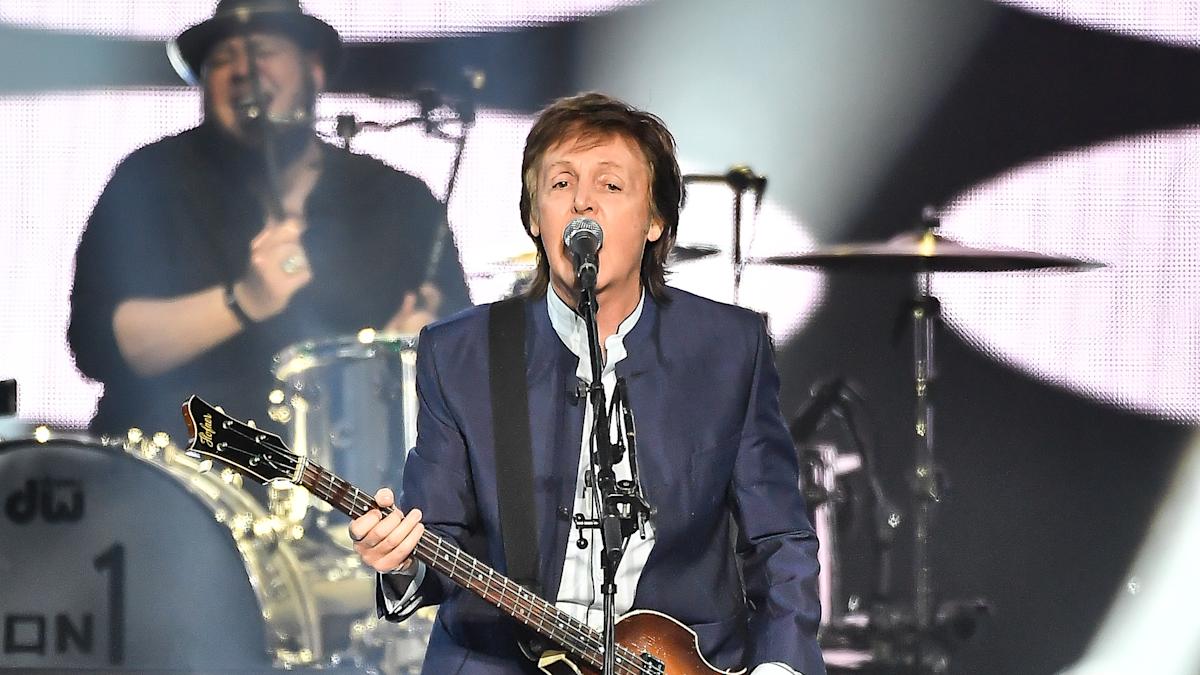

Paul McCartney is one of the most successful musicians in history, with wealth built through The Beatles, solo albums, songwriting royalties, touring, and smart investments. His fortune continues growing because of long-term music ownership, catalog earnings, and global popularity. Unlike many entertainers who depend only on active performances, McCartney benefits from decades of valuable intellectual property.His financial journey shows how creativity, ownership, and business decisions can create lasting wealth. From Beatles royalties to international tours, his income sources remain diverse even after more than six decades in the music industry.
Paul McCartney’s financial success comes from a combination of music history, business decisions, and valuable assets. The estimated Paul McCartney net worth 2026 reflects earnings from The Beatles, his solo career, touring activities, and music publishing rights. His wealth places him among the richest musicians worldwide.
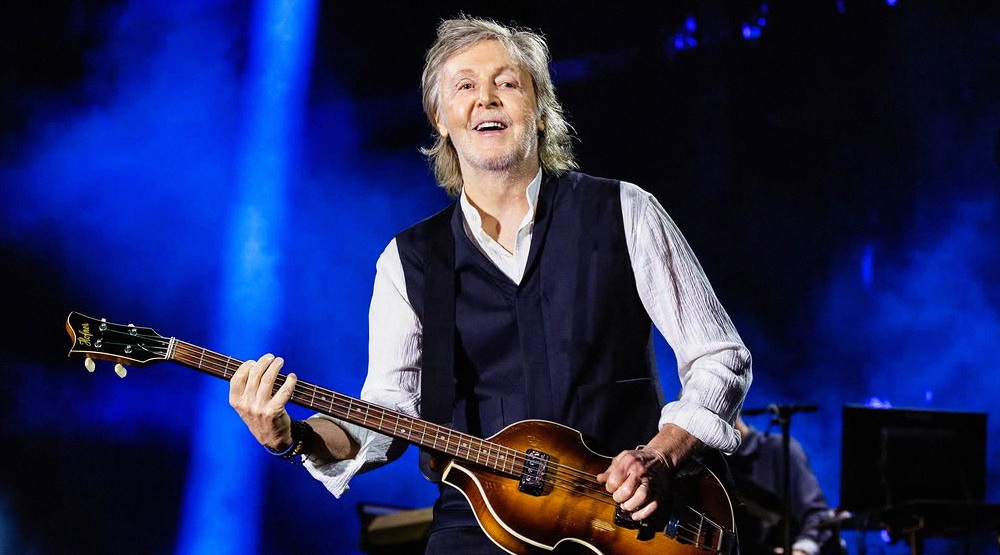
Unlike traditional celebrities, McCartney built a fortune through ownership and recurring revenue streams. His songs continue generating income through streaming, licensing, and royalties across different platforms.
| Wealth Source | Contribution to Fortune |
|---|---|
| Beatles royalties | Major long-term income |
| Music catalog ownership | Valuable recurring revenue |
| Touring | Millions from global performances |
| Solo career | Album sales and licensing |
| Investments | Additional wealth growth |
| Real estate | High-value properties |
McCartney’s financial achievements are not based on one successful project. They represent decades of consistent creativity and smart financial choices.
How Did Paul McCartney Build His Wealth?
Paul McCartney became wealthy because he combined musical talent with strong business awareness. His journey started with The Beatles, one of the most influential bands ever created. The group transformed popular music and generated enormous commercial success worldwide.
His songwriting partnership with John Lennon created some of the most valuable songs in music history. These compositions continue producing income through licensing, performances, and digital platforms.
The Beatles Success and Global Fame
The Beatles became a worldwide phenomenon during the 1960s, creating millions in revenue through albums, concerts, merchandise, and licensing deals. Their music catalog remains one of the most valuable collections in entertainment history.
McCartney’s role as a singer, songwriter, and performer helped establish his financial foundation. The band’s popularity created opportunities that continued long after their breakup.
The Beatles generated timeless music with unmatched commercial appeal. Their songs remain popular among multiple generations today. McCartney’s role as a singer, songwriter, and performer helped establish his financial foundation, a legacy also referenced in the Top 60 Richest Celebrities list.
Solo Career and Wings Earnings
After The Beatles ended, McCartney successfully developed his solo career and formed the band Wings. His continued album releases and live performances helped maintain his position as a top earning musician.
His solo projects added another layer to his income portfolio. Touring, album sales, and songwriting royalties contributed significantly to his growing wealth.
McCartney proved that success after a legendary band was possible. His career longevity became one of his biggest financial advantages.
McCartney proved that success after a legendary band was possible, much like the long solo touring career reflected in Peter Frampton’s net worth and solo career.
Paul McCartney Income Sources and Earnings Breakdown
Paul McCartney has multiple income sources that continue supporting his wealth. His earnings come from music royalties, concerts, investments, and licensing agreements. This diverse approach has helped him maintain financial stability for decades.
Many artists earn primarily from performances, but McCartney benefits from ownership. His valuable music rights create continuous revenue even when he is not actively touring.
Paul McCartney Earnings Per Year
McCartney’s yearly earnings vary depending on touring schedules, licensing activity, and royalty payments. During major tours, his income can increase significantly because of ticket sales and merchandise revenue.
His passive income from music publishing provides financial consistency. Streaming platforms and commercial use of songs continue adding value to his catalog.
| Income Source | How It Generates Money |
|---|---|
| Music royalties | Payments from song usage |
| Concert tours | Ticket and merchandise sales |
| Streaming revenue | Digital music consumption |
| Licensing deals | Commercial song usage |
| Investments | Long-term financial returns |
Paul McCartney Salary and Music Revenue
Musicians like McCartney usually do not receive a fixed salary. Instead, their earnings come from multiple entertainment businesses and ownership rights.
His wealth strategy focuses on controlling valuable assets. This approach allows him to earn from past achievements while creating new opportunities.
Beatles Royalties and McCartney Music Catalog Value
The Beatles catalog is one of the biggest reasons behind McCartney’s financial success. Songs created during his career continue generating significant royalty payments globally.
Music catalogs have become valuable investment assets because successful songs can earn money for generations. McCartney’s songwriting contributions remain financially powerful decades later. McCartney’s songwriting contributions remain financially powerful decades later, a pattern also central to Don Henley’s net worth and catalog royalties.
How Much Is the Beatles Catalog Worth?
The value of music catalogs depends on ownership rights, licensing agreements, popularity, and future earning potential. The Beatles catalog is considered among the most valuable collections in the world.
Songs from the band continue appearing in movies, advertisements, streaming playlists, and digital platforms. This creates a steady flow of income.
The catalog represents more than historical importance. It is also a powerful financial asset. McCartney’s billionaire status has been confirmed multiple times by The Sunday Times Rich List, which tracks UK musicians’ wealth annually.
Paul McCartney Beatles Royalties
Beatles royalties provide McCartney with ongoing earnings from his songwriting achievements. These payments come from different uses of the music, including streaming and licensing.
His ownership decisions have played an important role in protecting his financial interests. The continued popularity of Beatles songs keeps these earnings strong.
Paul McCartney Assets 2026: Homes, Cars and Investments
Beyond music income, Paul McCartney’s wealth includes valuable properties, personal collections, and investments. His assets reflect decades of financial success and careful wealth management. From countryside estates to luxury vehicles, his lifestyle represents his legendary career.
McCartney has invested in properties that provide both personal enjoyment and long-term value. His real estate portfolio is considered an important part of his overall financial position.
Paul McCartney House and Real Estate Portfolio
Paul McCartney owns several high-value properties in the United Kingdom and other locations. His real estate holdings include historic homes, countryside estates, and luxury residences.
These properties are not only lifestyle choices but also valuable investments. Prime locations and historic importance have helped increase their market value over time.
Some notable characteristics of his real estate portfolio include:
- Luxury countryside estates.
- Historic British properties.
- Private residences for family life.
- High-value land investments.
Real estate has remained a stable wealth-building strategy for many successful entertainers. McCartney’s property choices show a focus on privacy, comfort, and long-term value.
Paul McCartney Car Collection
Like many famous musicians, McCartney has owned several impressive vehicles throughout his career. However, he is often known more for his music and environmental views than an extravagant car lifestyle.
His collection has included classic and luxury vehicles connected to different periods of his life. These cars represent personal memories and cultural significance rather than just expensive possessions. Luxury assets can add value to celebrity profiles. However, McCartney’s biggest financial achievements remain connected to his music rights.
Paul McCartney Endorsement Deals and Business Ventures
Paul McCartney has not relied heavily on traditional celebrity endorsements compared with many modern entertainers. His reputation and creative work have remained the foundation of his financial success.

Over the years, he has participated in various commercial projects, collaborations, and brand partnerships. These opportunities have expanded his influence beyond music.
His business approach focuses more on ownership and creative control. This strategy has helped him protect his reputation while building long-term wealth.
Paul McCartney Wealth Timeline
Paul McCartney’s financial journey developed through several important career stages. Each period added new sources of income and increased his global influence.
| Year/Period | Major Achievement | Wealth Impact |
|---|---|---|
| 1960s | Beatles worldwide success | Created global earning foundation |
| 1970s | Solo career and Wings | Added new revenue streams |
| 1980s–2000s | Music expansion and touring | Increased royalties and income |
| 2010s | Continued performances | Maintained global demand |
| 2026 | Legacy earnings and assets | Continued financial growth |
His wealth timeline shows the importance of building valuable assets instead of depending only on active income. McCartney’s career demonstrates how creative ownership can create lasting financial success.
How Paul McCartney Maintains His Wealth in 2026
Maintaining wealth at this level requires careful decisions, asset management, and continued financial planning. McCartney’s success comes from protecting his intellectual property and managing his investments wisely.
His approach combines active earnings with passive income opportunities. This balance allows him to remain financially successful even with fewer performances than earlier decades.
Key factors behind his continued wealth include:
- Ownership of valuable music rights.
- Strong royalty income.
- Global brand recognition.
- Real estate investments.
- Long-term financial planning.
His career provides an example of how entertainers can create sustainable wealth beyond fame.
Key Takeaways
- Paul McCartney built his fortune through music ownership, royalties, and touring.
- The Beatles catalog remains one of his most valuable financial assets.
- His income comes from multiple sources instead of one career path.
- Real estate and investments support his overall wealth.
- His business decisions helped create long-term financial security.
- Music rights continue generating revenue decades after release.
Conclusion
Paul McCartney’s financial story is a combination of creativity, ownership, and smart career decisions. His success with The Beatles created the foundation, while songwriting royalties, solo projects, touring, and investments continued increasing his wealth over time.
The biggest lesson from his journey is that long-term ownership can be more valuable than short-term earnings. His music catalog continues producing income because generations of fans still connect with his songs.
For readers exploring celebrity wealth stories and financial breakdowns, platforms like updatednetworth provide insights into how famous personalities build and maintain their fortunes. Paul McCartney’s career remains one of the strongest examples of turning artistic success into lasting financial legacy.
Frequently Asked Questions (FAQs)
1. What is Paul McCartney net worth 2026?
Paul McCartney’s estimated wealth in 2026 comes from Beatles royalties, solo music earnings, touring revenue, investments, and valuable assets. Estimates vary depending on catalog valuations and private financial information.
2. How did Paul McCartney get rich?
Paul McCartney became wealthy through his success with The Beatles, songwriting royalties, solo projects, international tours, and ownership of valuable music assets.
3. How much does Paul McCartney earn per year?
His yearly earnings change based on touring activity, royalty payments, licensing agreements, and investments. His music catalog provides significant ongoing income.
4. How valuable is McCartney’s music catalog?
McCartney’s music catalog is considered extremely valuable because Beatles songs have worldwide popularity and continue generating revenue through streaming, licensing, and performances.
5. Does Paul McCartney still make money from touring?
Yes, touring remains an important income source. His concerts attract global audiences and generate revenue through ticket sales, merchandise, and related opportunities.