A Complete Guide to Understanding Voice Covers in Music
A voice cover in 2026 is no longer just a tribute song; it is a sophisticated blend of vocal artistry and Generative AI technology. While traditional covers involve a human reinterpretion, modern trends focus on AI Voice Cloning, allowing creators to swap vocal identities with pinpoint accuracy. At Updatednetworth, we see this as the “Democratization of Music,” where technical barriers are disappearing for aspiring artists.
What Is a Voice Cover in Music?
A voice cover is when someone performs a song that was originally sung by someone else. It is called a “cover” because the new version is covering the original performance. The lyrics and melody remain the same, but the voice and sometimes the style are different.
People have been making voice covers for many years. Singers often perform covers of famous songs in concerts, on YouTube, or for fun. Today, technology allows even more people to make voice covers using artificial intelligence.
Types of Voice Covers: Human Voice Cover vs AI Voice Cover
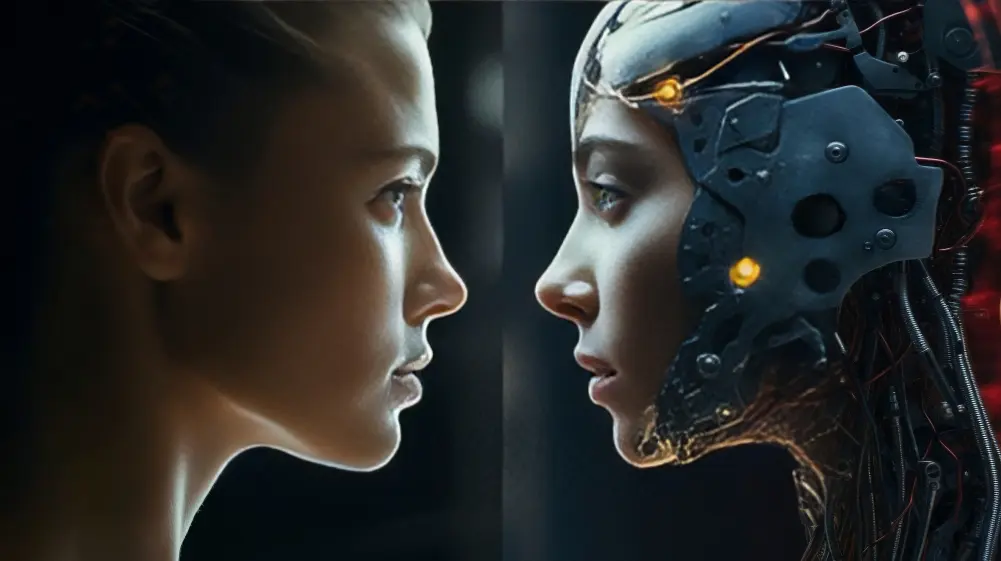
From heartfelt human performances to high-tech AI voice cloning, voice covers now come in two powerful forms each offering unique possibilities in modern music creation.
There are mainly two types of voice covers:
Human Voice Cover Performances
These are made by real people singing. This is the traditional way of making a cover song. You record your own voice singing the same lyrics and melody as the original song. Human voice covers are known for adding emotion, personal style, and expression.
AI Voice Cover Tools & RVC Technology
In 2026, tools have moved beyond simple imitation to high-fidelity voice conversion. Using RVC (Retrieval-based Voice Conversion), creators can now map the emotional nuances of a human performance onto a different “voice model.” This allows for “impossible collaborations”, like hearing a 1950s jazz icon sing a modern synth-pop track.
(Popular Tools – Updated for 2026)
Voicify.AI & JACE: Leading the market in 2026 for instant, drag-and-drop vocal transformations.
Kits.AI: The gold standard for Ethical AI Voice covers, where artists are compensated for their voice models.
Weights.gg (Community Models): The go-to hub for open-source RVC models.
How Voice Cover Works (Especially with AI Voice Cover Tools)
Let’s look at the basic steps of how a voice cover works using AI technology:
- Select or Train a Voice Model: The AI needs voice data. It uses recordings of someone speaking or singing to understand how their voice works.
- Upload a Song or Instrumental Track: You need music for the AI voice to sing over. This can be a melody or the instrumental version of a song.
- Input the Lyrics or Use Original Lyrics: The AI combines the voice and the lyrics with the music.
- Adjust Pitch, Tone, and Emotion: Many AI tools allow you to control how the AI voice sounds, like changing the pitch or how emotional it is.
- Generate and Export the Final Voice Cover: Once done, you can save the voice cover as an audio file like MP3 or WAV.
Why Voice Covers Are Becoming So Popular in Music
Voice covers give creators unmatched speed, affordability, and flexibility, whether made by humans or generated through advanced AI tools.
Creative Exploration Using Voice Covers
Voice covers give people a way to try different musical ideas. For example, they can imagine what it would sound like if a country singer performed a rap song or if a jazz singer covered a pop hit. With voice cover tools, this is now easy to do.
Viral Trends and Voice Covers on Social Media
AI voice covers often go viral online. People love hearing unusual or unexpected voice combinations. Some covers gain millions of views, making them popular among fans and creators.
Low-Cost Music Creation With Voice Covers
Recording music used to be expensive. You needed a studio, equipment, and sometimes hired singers. Now, anyone with a computer can create a voice cover at little or no cost.
Speed and Flexibility of Voice Cover Tools
Voice covers can be made quickly. Instead of spending hours or days recording vocals, AI can make them in minutes. You can also make changes easily.
Voice Covers for Everyone, Even Beginners
Many tools are designed for beginners. You do not need to know how to sing, mix, or play instruments. The software does most of the work for you.
Benefits of Using Voice Covers in Music Production
| Benefit | Description |
|---|---|
| Creative Freedom | Try any voice or style with any song. |
| Quick Music Production | Make a full vocal track in minutes. |
| Low Cost | No need to pay singers or rent studio time. |
| Easy to Use | Most tools are designed for beginners. |
| Unlimited Editing | Change pitch, tone, and style until it sounds the way you want. |
Popular Tools for Creating AI Voice Covers
Voicify for AI Voice Cover Generation
A user-friendly platform that allows drag-and-drop voice cloning. You can upload music and create covers using various voice models.
Kits.AI for Custom AI Voice Covers
This tool allows you to build your own voice model using just a few minutes of recorded audio. It’s suitable for more advanced users.
Uberduck for Fun Voice Cover Creation
Uberduck offers fun voice cloning options, including voices of celebrities or fictional characters. It is often used for content creation.
RVC or OpenVoice for Precise AI Voice Covers
These open-source tools are more technical but offer advanced voice editing and conversion features.
Best Practices for Making Voice Covers That Sound Professional
- Use high-quality instrumental or backing tracks.
- Choose a voice model that suits the style of your song.
- Adjust pitch and tone to match the original song’s mood.
- Always listen to your cover before finalizing it.
- Use post-processing tools to improve audio quality.
Ethical and Legal Concerns in Voice Cover Creation
In 2026, the legal landscape has tightened. With the introduction of the No Fakes Act and improved digital watermarking, using a celebrity’s voice for commercial gain without a license is high-risk. Updatednetworth recommends using “licensed models” or your own trained voice to avoid DMCA strikes on social platforms like YouTube and TikTok.
Personal Use of Voice Covers
If you are using voice covers for fun, education, or private sharing, it is usually fine.
Commercial Use of Voice Covers
If you plan to publish or sell your voice covers, you may need permission from the original artist or song copyright owner.
Using Famous Voices in AI Voice Covers
Using a celebrity’s voice without their consent can be legally risky. Some celebrities have rights over their voice and likeness.
Fair Use and Legal Limits of Voice Covers
Sometimes, covers fall under “fair use,” like in parodies or commentary. However, this depends on local laws and specific situations.
Final Thoughts on Voice Covers and AI Voice Technology
Voice covers are changing how we create and enjoy music. Whether made by humans or machines, they allow more people to express creativity, explore different music styles, and share their work with the world. As technology improves, voice covers will become even more popular and powerful. By understanding how they work and how to use them responsibly, anyone can join this exciting part of the music world.
FAQs About AI Voice Covers & Music Technology
What exactly is an AI voice cover?
An AI voice cover uses a trained neural network, often powered by Retrieval-based Voice Conversion (RVC) technology, to replace the original singer’s vocal characteristics with a entirely new identity. This allows creators to swap vocal models onto a track while precisely maintaining the original melody, pitch, and rhythm.
Is making AI voice covers legal?
For personal use or private educational sharing, making AI voice covers usually falls under fair use. However, using a celebrity’s vocal likeness for commercial gain without an official license is highly risky and restricted under personality rights protections like the No Fakes Act.
What are the best software tools for creating AI voice covers?
The top platforms include Voicify.AI and JACE for instant, drag-and-drop vocal transformations, and Kits.AI, which sets the gold standard for ethical AI models where artists are compensated. For open-source RVC models, Weights.gg serves as the leading community hub.
Can beginners make professional-sounding voice covers?
Yes! Modern cloud-based AI tools are explicitly designed to be beginner-friendly. They use vocal-to-vocal conversion features that can take a basic or slightly off-key vocal performance and automatically align it to a professional voice model, correcting the pitch and tone seamlessly.
Do I need an expensive computer to generate AI voice covers?
No, you do not need a high-end PC. While open-source tools running locally require a robust graphics card (GPU), popular cloud-based platforms handle all the heavy processing on their own servers, allowing you to create covers using a basic laptop or smartphone.