The conversation around artificial intelligence has shifted dramatically from “what can this technology build?” to “how must this technology be governed?” Perhaps nowhere is this friction more intense than in the realm of adult AI images or what global regulatory bodies officially classify as Synthetically Generated Information (SGI).
What used to require vast datasets and hours of rendering can now be deployed in seconds from a single smartphone. While creative industries explore these tools for safe digital modeling, the rise of unvetted platforms has brought unprecedented legal and ethical challenges.
What Are Adult AI Images?
Adult AI-generated content is visual outputs created by machine learning models such as GANs (Generative Adversarial Networks) or diffusion models. These tools take in a description, called a “prompt”, and generate an image that matches it.
Unlike adult photography or film, no real actors or models are needed. Instead, the AI synthesizes features it has “learned” from training data and produces an entirely new visual that looks human but is machine-generated.
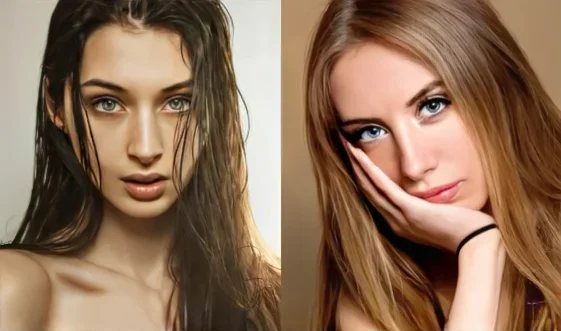
There are three main types of adult AI images:
- Realistic AI-Generated Content – Hyper-realistic photos resembling real people.
- Stylized or Anime-Inspired AI Images – Popular in fan art, fantasy, or storytelling.
- Abstract or Artistic AI Images – Adult themes expressed in surreal or creative styles.
This flexibility is why people are drawn to adult AI content; it can range from lifelike to completely imaginative, depending on the creator’s intent.
How AI Generates Adult Images
To understand adult AI images, let’s first look at how AI art in general is generated.
- Training the Model
The AI is trained on large datasets containing millions of images. These datasets teach the AI about human anatomy, textures, lighting, and styles.
- User Prompts
A person enters text like: “a digital painting of a fantasy warrior”. For AI-generated content, the prompts may include mature or explicit elements.
- Image Creation
The AI breaks down the text into smaller concepts and merges them to create a new, unique image.
- Refinement
Advanced users can edit or re-generate images to improve realism, add details, or change poses. For a broader look at these refinement techniques outside the adult context, our AI image prompt generator guide explains how prompt structure directly affects output quality across any use case.For adult AI images, the underlying technology is the same. What makes them unique is the freedom of prompts and datasets used in unfiltered models. If you want a step-by-step breakdown of the entire process, check out this detailed guide on how to create AI images.
Why People Search for Adult AI Images
So why is this niche gaining attention? Here are the main reasons:
- Curiosity: People want to see how far AI can go in creating lifelike or stylized adult visuals.
- Personalization: Unlike traditional adult media, AI images can be customized to match specific fantasies or preferences.
- Artistic Exploration: Some artists use adult themes to push creative and social boundaries.
- Safer Alternatives: Since AI images don’t necessarily involve real people, some argue that they could reduce harmful practices in the adult industry.
For many, AI-generated content is about control and imagination, a way to create content that doesn’t exist anywhere else.
Benefits of AI-Generated Content
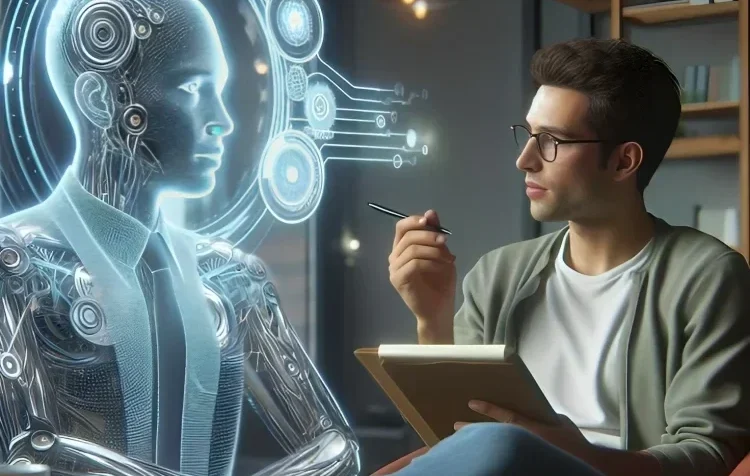
When used responsibly, adult AI images do have potential benefits. In fact, many creators are already exploring how tools like an adult AI generator can expand both personal and professional projects.
- Creative Freedom
Artists can explore taboo or experimental concepts without limitations.
- Personalized Content
AI allows individuals to generate visuals tailored to their preferences, something traditional media can’t always offer.
- Safer Alternatives
Since AI-generated images don’t always involve real people, some believe they reduce exploitation risks.
- Privacy-Friendly
Unlike traditional production, no models or actors are directly involved, offering a layer of privacy.
- Expanding Digital Art
Beyond adult use, this technology pushes boundaries of digital art, fantasy, and storytelling.
Risks and Ethical Concerns
Despite the benefits, adult AI-generated content raises serious risks:
- Consent Violations: AI can be misused to create deepfake pornography of real people without permission.
- Legal Grey Areas: Laws on AI-generated adult content are still unclear in many countries.
- Psychological Impact: Overexposure to unrealistic AI adult images may distort expectations of relationships.
- Exploitation Risks: Open-source models can be misused to create harmful or illegal content.
- Cybersecurity Threats: Downloading “unfiltered” AI models from unsafe sources can expose users to malware.
This is why discussions around AI-generated content aren’t just about technology; they’re also about morality and responsibility.
Legal Status of AI-Generated Content
The legality of adult AI images varies worldwide. Here’s what to know:
- Copyright Issues: Using copyrighted adult media as training data without permission may break the law.
- Consent & Privacy Laws: Deepfake pornography involving real people is illegal in many jurisdictions.
- Obscenity Laws: Some countries regulate explicit digital content, regardless of whether it’s AI-generated.
- Commercial Use: Many AI platforms ban adult content entirely in their terms of service.
In short: the law is still catching up to the technology. Anyone exploring AI-generated content should research local regulations carefully.
Adult AI Images vs. Traditional Adult Content
Here’s a comparison of AI-generated vs. traditional adult content:
| Feature | Adult AI Images | Traditional Adult Content |
| Creation | AI-generated, synthetic | Involves real people |
| Consent Issues | Risk with deepfakes | Requires contracts/agreements |
| Customization | Highly customizable | Limited to existing media |
| Ethical Risks | Misuse, realism debates | Exploitation, industry abuse |
| Legal Clarity | Still evolving | More defined but varies |
Both raise ethical debates, but AI introduces new dimensions of risk and opportunity.
Popular Tools for Generating Adult AI Images
Most mainstream AI tools ban adult content. However, some open-source models allow it:
- Stable Diffusion (Unfiltered Versions): Highly popular but requires technical setup.
- NovelAI: Known for anime-style generation.
- Locally Modified AI Tools: Many developers tweak existing models to bypass restrictions.
Warning: Not all “unfiltered” AI models online are safe. Many come from unverified sources that may contain malware.
Cultural and Social Impact of Adult AI Images
Beyond technology, AI-generated content affects culture and society.
- Changing Perceptions of Intimacy – Hyper-realistic AI-generated content may alter how people view relationships.
- Impact on the Adult Industry – Some predict AI could disrupt traditional adult entertainment.
- Art vs. Exploitation Debate – Are adult AI images art, fantasy, or exploitation in disguise?
- Shifting Internet Culture – Meme culture and online discussions are heavily influenced by AI art trends, including adult themes.
Future of Adult AI-Generated Content
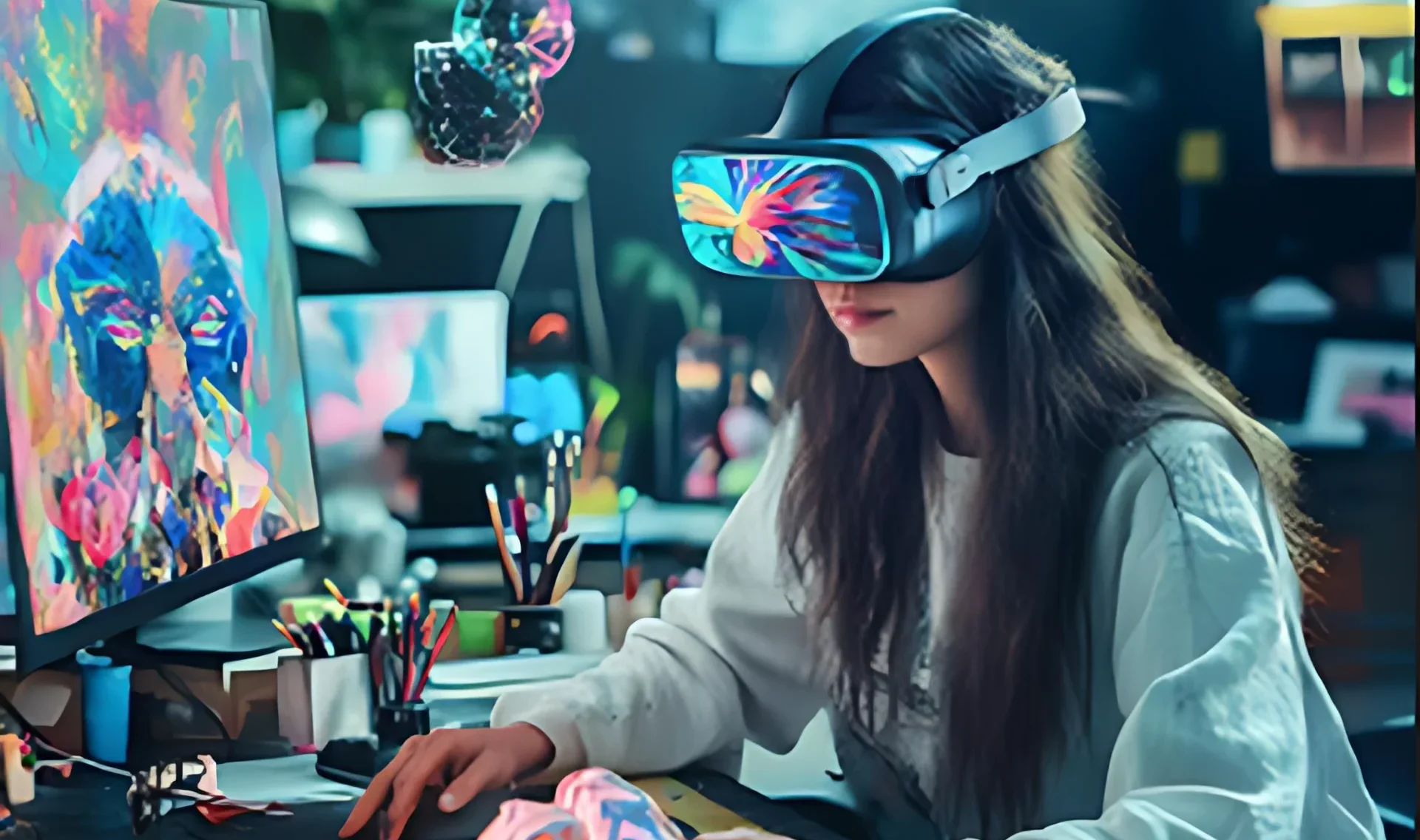
Looking ahead, the role of adult AI-generated content will expand but face regulation. Possible trends include:
- Government Regulations: Stricter laws on deepfakes and explicit AI content.
- Ethical AI Models: New tools that balance creativity with safety.
- Mainstream Acceptance: Some adult AI platforms may emerge legally and responsibly.
- Technological Advances: More realistic, customizable, and interactive adult AI visuals.
The future will be about finding the balance between freedom of expression and responsible use.
Conclusion
Navigating the landscape of adult AI images requires transitioning from a reactive approach to a proactive mindset. The era of claiming anonymity or hiding behind third-party API configurations is over. For developers, platform providers, and everyday users, the mandates are clear: absolute transparency, rigorous technical guardrails, permanent digital watermarking, and an unyielding commitment to personal consent are non-negotiable.
True digital innovation must protect personal dignity rather than compromise it. By aligning platform architecture with global compliance frameworks and focusing on transparent synthetic generation, the tech community can ensure that tools foster human creativity safely and ethically. Stay informed, protect your data, and rely on trusted compliance perspectives brought to you by Updatednetworth.
FAQs
1. Is it illegal to generate adult AI images of real people?
Yes. Across major global jurisdictions in 2026, generating non-consensual intimate images or deepfakes of real individuals without their explicit, documented consent is a serious criminal offense. In regions like the UK, even submitting a prompt or request to create such an image is a crime, whether or not the image is actually produced or shared.
2. What are the platform penalties for hosting illegal AI images?
Under new regulations like the India IT Amendment Rules 2026 and the UK Online Safety Act, tech platforms face massive fines of up to 10% of their global turnover if they fail to detect or mitigate non-consensual synthetic imagery. Takedown compliance windows for verified complaints have dropped to a strict 2 to 3 hours.
3. What is Synthetically Generated Information (SGI)?
SGI is the legal, technology-neutral term used by regulatory bodies to describe any digital content—including images, text, audio, or video—created or heavily modified using algorithmic and generative AI techniques to simulate real human traits or real-world occurrences.
4. How can someone prove an image is AI-generated in 2026?
Legitimate tech infrastructure now mandates unremovable, embedded metadata and permanent cryptographic provenance markers. Platforms are required by law to deploy technical verification systems that prevent users from stripping these origin tracking identifiers.
5. Can businesses legally use AI avatars for marketing?
Yes, provided they utilize an established consent architecture. Businesses can use virtual influencers or licensed spokesperson avatars if the underlying models are built using fully compensated, ethically sourced data where the participants have given explicit, ongoing permission to use their digital likenesses.