
The American automotive industry is moving at a breakneck pace. No longer defined simply by horsepower and traditional fuel efficiency, Automobile USA in 2026 represents a highly digitized, data-driven ecosystem. Driven by generational shifts in consumer behavior, evolving economic pressures, and pioneering AI breakthroughs, the way Americans buy, drive, and interact with vehicles has fundamentally changed.
Whether you are looking to make a smart asset purchase or trying to understand where the global mobility landscape is heading, navigating the U.S. automotive market requires an understanding of its modern core trends. This comprehensive guide breaks down the real-world state of the industry, emerging consumer patterns, and structural challenges shaping American roads today.
The Real-World State of the U.S. Automotive Market
The U.S. automotive sector has transitioned out of the volatile supply-chain eras of the early 2020s into a market defined by stabilized production but shifting demand curves. Across the nation, total annual light-vehicle sales hover robustly around the 17-million unit threshold. However, the composition of these sales tells a much different story than it did a few years ago.
While traditional internal combustion engine (ICE) vehicles still make up a substantial block of active highway traffic, their outright market dominance is facing a slow, systemic sunset. The modern American garage increasingly relies on diversification. Hybrid electric vehicles (HEVs) and plug-in hybrids (PHEVs) have seen an immense resurgence as consumers seek a middle ground between long-distance reliability and fuel cost reduction. Concurrently, battery electric vehicles (BEVs) are securing a firmer foothold, backed by localized domestic assembly lines and a more mature charging footprint.
Key Factors Driving Growth in the Automobile Industry in the USA
Several factors are contributing to the continued strength of the U.S. automotive market:
1. Rising Demand for Electric Vehicles (EVs)
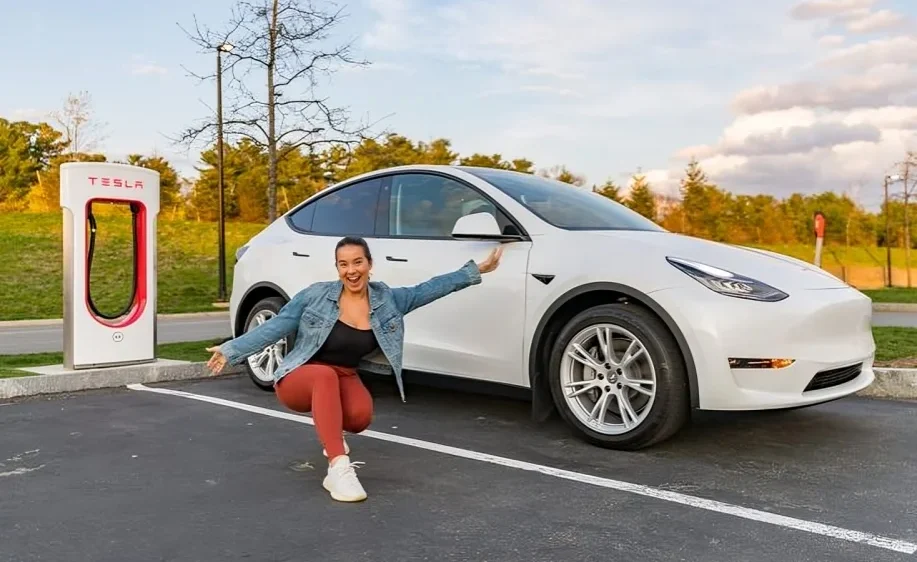
Electric vehicles are no longer niche products. Major automakers such as Ford, General Motors, and Tesla are introducing affordable EV options, making them accessible to more consumers. The push toward sustainability and reduced carbon emissions has accelerated EV adoption.
2. Technological Innovations
Automobile USA is experiencing rapid integration of advanced technologies like autonomous driving, over-the-air software updates, and enhanced infotainment systems. These features enhance the driving experience while improving safety and efficiency.
3. Strong Used Car Market
The demand for pre-owned vehicles remains robust due to rising new car prices. Certified pre-owned programs are attracting budget-conscious buyers without compromising on quality.
The Role of Government Policies in the Automobile Industry in the USA

Government regulations are playing a significant role in shaping the industry. The U.S. federal government has set ambitious targets for zero-emission vehicles, aiming for 50% of all new vehicle sales to be electric by 2030. Incentives such as tax credits, rebates, and infrastructure investments are encouraging both consumers and manufacturers to embrace this shift.
Furthermore, stricter fuel economy standards are pushing automakers to innovate in engine efficiency, lightweight materials, and aerodynamics.
Emerging Trends in the American Automotive Industry
The U.S. automotive sector is evolving in ways that reflect both global changes and local market preferences:
1. Subscription-Based Car Ownership
Car subscription services are gaining popularity as they offer flexibility without the long-term commitment of buying or leasing.
2. Connected Cars

With the rise of 5G, vehicles are becoming more connected, enabling real-time traffic updates, remote diagnostics, and vehicle-to-vehicle communication.
3. SUVs and Pickup Dominance
Despite the push for greener vehicles, American consumers continue to favour SUVs and pickup trucks due to their versatility and performance.
Structural Industry Challenges Facing Automobile USA
Even with strong baseline demand, navigating the current automotive landscape requires addressing several clear structural bottlenecks:
Financing and Interest Rate Pressures: While supply availability has normalized, the cost of capital remains an influential factor. Higher average auto loan interest rates have altered monthly budgeting math for everyday consumers, extending the average length of ownership as buyers wait out financing cycles.
Localized Production and Battery Sourcing: Building highly resilient, localized supply chains is an ongoing hurdle. Automakers are investing billions into domestic battery manufacturing plants to comply with strict regional trade standards and ensure predictable production lines.
The Technical Standardization Curve: As vehicles rely heavily on advanced driver-assistance systems (ADAS) and vehicle-to-everything (V2X) communication networks, standardizing data protocols across competing brands remains a complex logistical challenge for regulatory frameworks.
How Consumers Are Adapting to Change
Modern American car buyers are more informed than ever before. They research extensively, compare financing options, and look for vehicles that align with their environmental values. Additionally, the shift toward online car buying platforms has simplified the purchasing process.
According to a Cox Automotive study, nearly 80% of car buyers now start their search online, and many complete their purchases without stepping into a dealership.
The Future Outlook for Automobile USA
The American automotive market is expected to experience a technological revolution over the next decade. Key predictions include:
Mainstream Autonomous Vehicles: While full self-driving capabilities are still in development, partial automation is becoming common.
Greater EV Charging Accessibility: Nationwide charging networks will make long-distance EV travel more practical.
Increased Use of AI in Manufacturing: Artificial intelligence will streamline production, quality control, and predictive maintenance.
Tips for Consumers Navigating the Automobile USA Market

If you are planning to purchase a vehicle in the U.S., here are some expert recommendations:
Set a Realistic Budget: Consider not just the purchase price but also insurance, maintenance, and fuel or charging costs.
Research Reliability: Choose models with proven track records for durability and low maintenance costs.
Compare Financing Options: Shop around for competitive interest rates to reduce long-term expenses.
Consider Resale Value: Some brands hold their value better than others, which can save money in the long run.
Conclusion: A Transformative Milestone for American Mobility
The automotive ecosystem in the United States is no longer caught in an uncertain experimental phase; it has firmly stepped into a mature, technology-first reality. By blending the historic legacy of American manufacturing with agile software deployment and diverse powertrain options, the industry provides unparalleled choices for the modern consumer.
For anyone managing their household assets, a car purchase represents a major foundational milestone. Prioritizing objective data, studying residual asset values, and matching vehicle capabilities to your practical lifestyle needs ensure long-term utility and financial balance. Stay ahead of changing market landscapes and protect your fiscal choices by exploring detailed analytical frameworks and updates directly via UpdatedNetWorth.
Frequently Asked Questions (FAQs)
Q1: What is the current market outlook for Automobile USA in 2026?
The U.S. automotive market has stabilized, sustaining healthy annual volumes near 17 million vehicles. Growth is primarily driven by tech-heavy connected vehicles, a balanced mix of hybrid and battery-electric drivetrains, and sustained market consumer demand for highly versatile SUVs and light trucks.
Q2: Why are hybrid vehicles competing strongly with pure EVs right now?
Hybrids and plug-in hybrids offer a highly pragmatic transitional solution for the everyday driver. They provide immediate fuel efficiency gains and lower emissions without requiring a complete shift in long-distance driving habits or reliance on public fast-charging networks.
Q3: How do Software-Defined Vehicles benefit the consumer?
Software-Defined Vehicles (SDVs) leverage over-the-air updates to improve performance, unlock navigation tools, and install safety patches remotely. This means the vehicle actively improves over time, slowing down functional depreciation.
Q4: What digital purchasing trends dominate the American auto industry?
Roughly 80% of modern auto buyers initiate their procurement journey online. Consumers utilize comprehensive digital platforms to calculate accurate financing, value trade-ins, and build custom trims before visiting a physical location.
Q5: How can a vehicle purchase impact long-term net worth?
Vehicles are typically depreciating assets. To safeguard your overall financial position, it is vital to minimize high-interest auto debt, opt for models with historically resilient residual value, and comprehensively review the total cost of ownership rather than focusing solely on the sticker price.