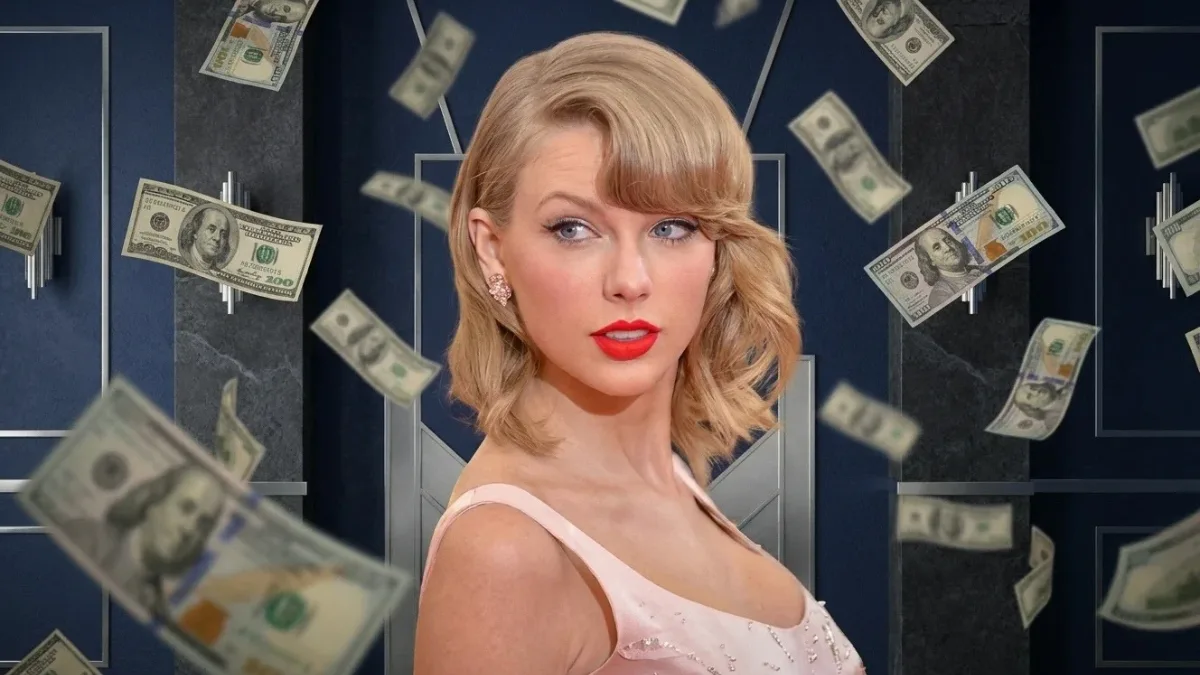
Taylor Swift Net Worth 2026 is a popular topic among fans who want to understand how the global music superstar built her incredible fortune. From writing songs as a teenager to selling out stadiums worldwide, Taylor Swift has turned her musical talent into a successful business career. Her income now comes from much more than album sales, including touring, music rights, streaming, merchandise, and film projects.
As of 2026, Forbes estimates Taylor Swift’s net worth at approximately $2 billion, making her one of the wealthiest musicians in the world and the richest female musician in history according to its 2026 estimate. Her financial success reflects years of hard work, a loyal fan base, and smart decisions about owning and managing her music. Here is a closer look at her wealth, career earnings, assets, and the major sources behind her success.
Summary
Taylor Swift has built an estimated $2 billion fortune through music, songwriting, concert tours, royalties, merchandise, and entertainment projects. Her record-breaking Eras Tour played a major role in her rise to billionaire status, while her decision to regain ownership of her original music recordings strengthened her long-term financial position. She also owns valuable real estate and earns money from a large music catalog that continues to attract listeners around the world.
Key Takeaways
- Estimated net worth in 2026: Approximately $2 billion, according to Forbes.
- Main income sources: Music sales, streaming royalties, songwriting, touring, merchandise, and film projects.
- Eras Tour: Generated approximately $2.2 billion in reported ticket sales worldwide.
- Music ownership: Swift regained the rights to her first six albums in 2025.
- Real estate: Her property portfolio has been estimated at more than $100 million.
Taylor Swift Net Worth 2026: How Much Is She Worth?
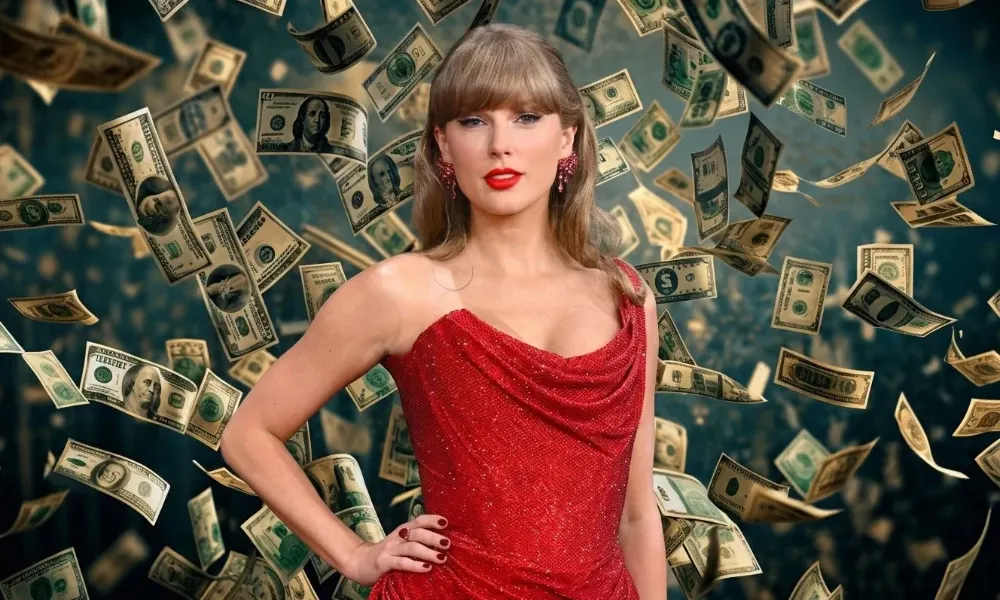
Taylor Swift’s estimated net worth in 2026 is $2 billion, based on Forbes reporting published in June 2026. Her wealth has grown significantly since she became a billionaire, with her music catalog, touring success, and recent album releases contributing to the increase.
Net worth does not mean the amount of money someone has sitting in a bank account. It includes the estimated value of assets, investments, and business interests after accounting for liabilities. In Swift’s case, valuable music rights and the money generated by her songs are major parts of the picture.
The exact figure is not publicly confirmed by Swift herself. Net worth estimates can also change because music rights, property values, royalties, and future earnings are not always easy to calculate. Therefore, the $2 billion figure should be treated as an informed estimate rather than an exact personal financial statement.
How Did Taylor Swift Build Her Fortune?
Taylor Swift began her career as a young country singer and gradually became one of the biggest names in global pop music. Her ability to write personal songs helped her connect with listeners, while each new album introduced her music to a wider audience.
Her early albums established her career, but later releases expanded her reach across different music styles. Albums such as 1989, Reputation, Lover, Folklore, and Midnights helped strengthen her popularity and created new opportunities for touring, streaming, and merchandise.
Swift also treats her career as a long-term business. Rather than relying on a single hit song or one successful tour, she has built several income sources that support one another. New music brings listeners back to older albums, concerts increase demand for merchandise, and major releases can create renewed interest in her entire catalog.
Taylor Swift’s Main Sources of Income
1. Music Sales and Streaming Royalties
Music remains the foundation of Taylor Swift’s wealth. Her albums generate income through digital downloads, physical copies, streaming services, and other forms of music distribution. Fans also buy special editions and collectible releases, which can support sales during major album campaigns.
Streaming creates another source of revenue. When people listen to her songs on platforms such as Spotify and Apple Music, the recordings and songwriting can generate royalties. However, the amount paid per stream varies, and the money is divided among the relevant rights holders according to their agreements.
Swift benefits from having a large catalog that listeners continue to play years after its original release. Songs from different stages of her career attract different audiences, helping older music remain commercially valuable while newer albums bring fresh attention.
2. The Eras Tour Earnings
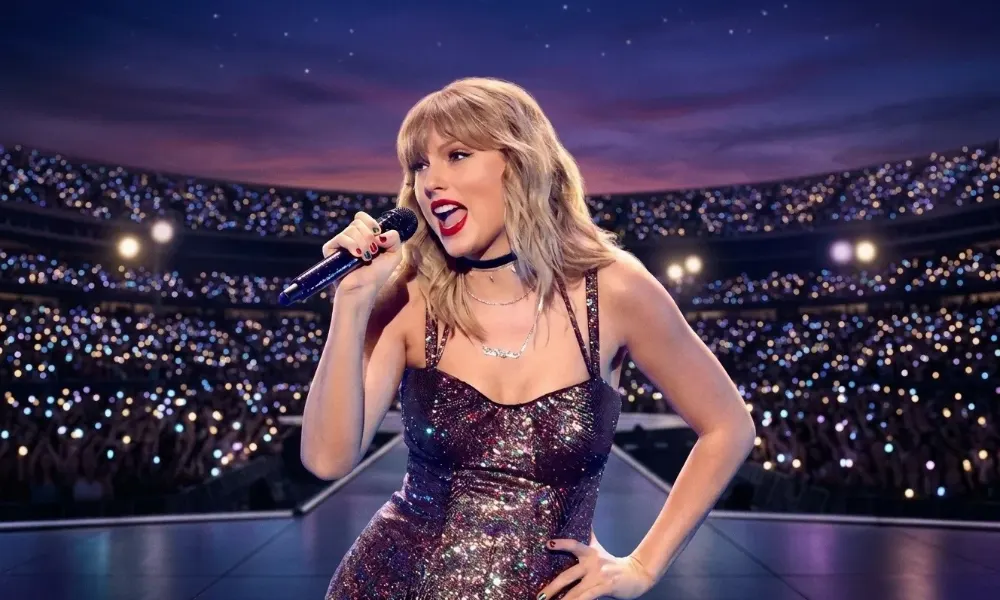
The Eras Tour was one of the biggest financial milestones in Swift’s career. The global tour celebrated the different periods of her music and attracted huge crowds across multiple continents. Its demand was so high that ticket sales and concert access became major topics beyond the music industry.
Reported ticket sales reached approximately $2.2 billion, making the tour the highest-grossing concert tour in history. However, this figure represents total ticket revenue, not Swift’s personal profit. Touring also involves expenses such as production, staff, travel, equipment, venues, and taxes.
Even after these costs, the tour was a major contributor to her wealth. It also created additional income through concert merchandise and related entertainment projects, while giving older songs another opportunity to reach new listeners.
3. Concert Film and Streaming Deals
Swift expanded the value of the Eras Tour by bringing it to movie theaters. Taylor Swift: The Eras Tour became a major box-office success, allowing fans to experience the concert without attending a live show.
The film reportedly earned around $260 million worldwide at the box office. Swift also secured streaming opportunities connected to the tour, adding another commercial channel beyond ticket sales. Her ability to participate in the business side of these projects helped turn a live performance into a wider entertainment product.
These deals demonstrate how an artist can earn from one project in several ways. A tour can generate ticket income, merchandise sales, film revenue, and renewed demand for recorded music.
4. Songwriting and Music Publishing
Swift is not only a performer; she is also a songwriter. Writing songs gives her an important role in the ownership and financial value of her music. Songwriting and publishing royalties may be generated when songs are streamed, sold, performed publicly, or licensed for certain uses.
Her songwriting has helped her build a catalog that remains relevant across generations of listeners. Fans often return to earlier albums as new music releases, while popular songs can continue generating royalties long after their first appearance on the charts.
Publishing income is different from the money earned by owning a particular sound recording. Both can matter financially, which is one reason music rights are an important part of understanding Taylor Swift’s net worth.
5. Merchandise and Fan Products
Merchandise is another source of income connected to Swift’s popularity. Concertgoers often buy shirts, hoodies, posters, accessories, and other products associated with a tour or album era. Limited editions can also attract collectors.
Merchandise allows an artist to earn money beyond music itself. However, production, distribution, staffing, and other costs affect the final profit, so total merchandise sales should not be confused with personal earnings.
Swift’s recognizable album themes and strong fan community help make merchandise an important part of her wider business. Products connected to major releases and tours can also keep fans engaged between projects.
6. Albums and Re-Recorded Music
Swift’s decision to re-record several of her earlier albums brought a new business dimension to her career. The releases known as Taylor’s Version gave fans new recordings to support while allowing her to build a separate catalog of masters that she controlled.
The strategy also showed how an artist’s rights can influence long-term earnings. When listeners choose a version of a song, that choice can affect which recording receives streams and generates income. Her re-recordings attracted attention to both the new versions and her earlier work.
In May 2025, Swift announced that she had regained ownership of the original masters for her first six albums. This was a significant development because it gave her control over recordings that had previously been outside her ownership.
Taylor Swift’s Music Catalog and Masters
Music rights are among the most important parts of Taylor Swift’s financial story. A music catalog can be valuable because it generates royalties over many years, especially when its songs remain popular and are used across different platforms.
Swift’s dispute over her early masters led her to re-record several albums. In 2025, she regained ownership of the original recordings for her first six albums in a deal reported to be worth around $360 million. The exact terms were not publicly disclosed by Swift.
Owning her recordings gives her greater control over how that music is managed and used. It also strengthens her position as both the creator and owner of important parts of her work. Nevertheless, catalog values are estimates and can change with listening trends, licensing opportunities, and the terms of any rights agreements.
Taylor Swift’s Real Estate and Luxury Assets
Taylor Swift has invested in a substantial real estate portfolio across several locations in the United States. Public reports have estimated the combined value of her properties at more than $100 million, although market conditions and property valuations can change.
Her reported holdings include homes in New York City, Nashville, Beverly Hills, and Rhode Island. These properties reflect different stages of her career and offer private spaces away from public attention. Some have received considerable media coverage because of their size, location, and architectural features.
Real estate contributes to net worth because property can hold or increase its value over time. Still, the estimated market value of a home is not the same as cash available to spend, and ownership costs can include taxes, maintenance, insurance, and other expenses.
Taylor Swift’s Brand Partnerships and Business Ventures
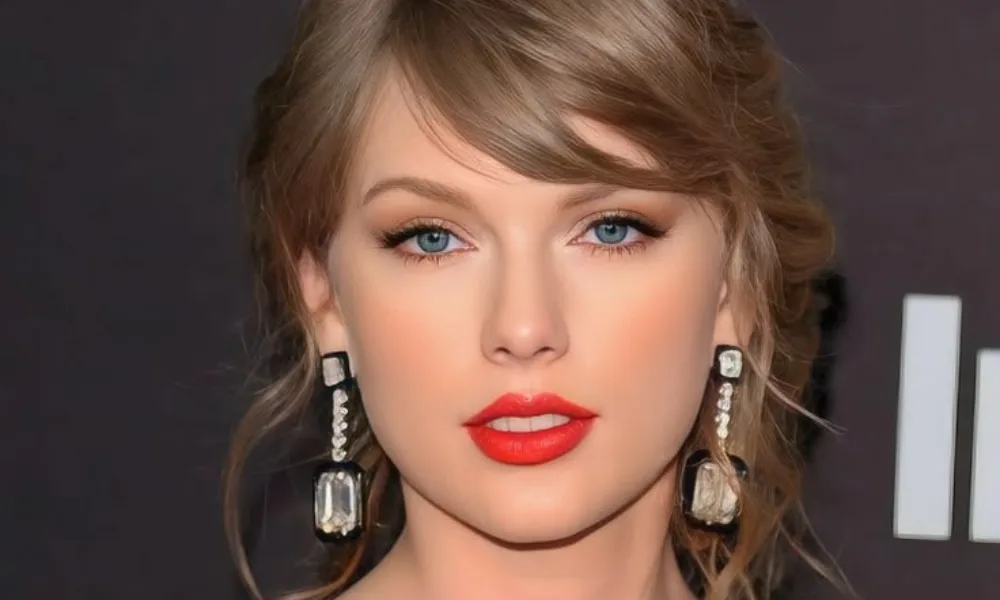
Although music provides the main foundation of Swift’s fortune, brand partnerships have also played a role in her commercial career. Over the years, she has worked with companies across different industries, including consumer products, technology, and retail.
These partnerships can provide payment for advertising, promotional appearances, or other agreed activities. However, the terms of individual contracts are often private, so it is difficult to calculate exactly how much each partnership contributes to her net worth.
Swift also benefits from having strong control over her public image and creative work. Her management and production operations help coordinate projects across music, touring, and entertainment. This business structure allows her to make decisions about how different parts of her career fit together.
Taylor Swift’s Career Timeline and Financial Milestones
| Year | Career milestone | Financial significance |
|---|---|---|
| 2006 | Released her debut album | Began building her recording career |
| 2008 | Released Fearless | Expanded her audience and commercial success |
| 2014 | Released 1989 | Strengthened her position in mainstream pop |
| 2020 | Released Folklore and Evermore | Added successful projects during a period without major touring |
| 2023–2024 | Performed the Eras Tour | Generated record-breaking ticket revenue |
| 2025 | Regained ownership of her first six original masters | Strengthened control over her music catalog |
| 2026 | Forbes estimated her net worth at $2 billion | Reflected the value of her music, touring, and other assets |
These milestones show that Swift’s financial growth came from several stages of her career. Each successful release helped build the audience and business opportunities that supported the next one.
What Makes Taylor Swift’s Business Strategy Different?
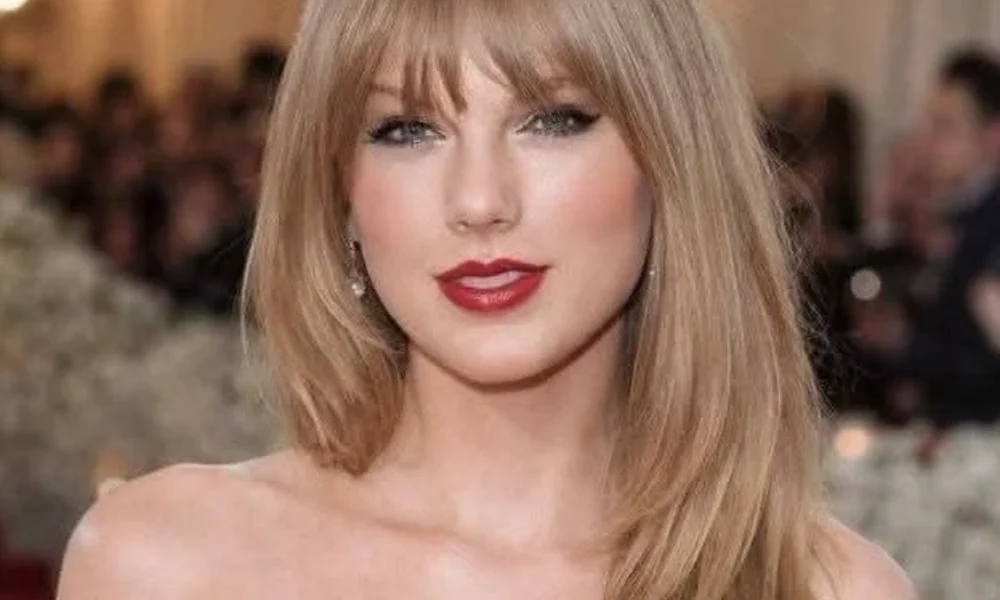
One important part of Swift’s success is the relationship between her creative work and her business decisions. She has built a recognizable identity around her albums, songwriting, and live performances, giving fans reasons to stay engaged across different eras.
She also benefits from a catalog that can continue generating income without requiring every song to be newly released. Older albums can gain attention when a song becomes popular again, a new album arrives, or fans revisit earlier periods of her career.
Her approach to music ownership is another major factor. By taking action to regain control of her early masters, she demonstrated how rights and ownership can affect an artist’s long-term financial position. Her career shows that a successful musician can be both a creative professional and an active decision-maker in business.
Conclusion
Taylor Swift’s net worth in 2026 reflects much more than her success as a singer. Her estimated $2 billion fortune has been built through songwriting, a valuable music catalog, record-breaking tours, merchandise, entertainment projects, and strategic decisions about ownership.
The Eras Tour helped take her financial success to a new level, while regaining her original masters strengthened her control over her music. Her story shows how creative talent, a lasting connection with fans, and careful business decisions can work together to build long-term wealth.
Although her exact finances remain private, the available estimates make one thing clear: Taylor Swift has built one of the most financially successful careers in modern music. Similarly, Conor McGregor’s net worth reflects how a successful career, business ventures, and brand partnerships can turn fame into substantial wealth.
Frequently Asked Questions
1. What is Taylor Swift’s net worth in 2026?
Taylor Swift’s net worth is estimated at approximately $2 billion in 2026, according to Forbes. This estimate reflects her music catalog, touring income, royalties, and other assets. Her exact personal finances are private, so the figure is not an official accounting.
2. How did Taylor Swift become a billionaire?
Swift became a billionaire through years of music sales, songwriting, touring, royalties, and related entertainment projects. The Eras Tour was a major factor in her rise, while her valuable music catalog and business decisions helped strengthen her wealth.
3. How much money did the Eras Tour make?
The Eras Tour generated approximately $2.2 billion in reported ticket sales worldwide. This is the tour’s gross revenue, not Swift’s personal earnings. Expenses, taxes, and other business costs affect how much money remains as profit.
4. Does Taylor Swift own her music?
In May 2025, Swift announced that she had regained ownership of the original masters for her first six albums. She also controls recordings released under her later arrangements. Music rights can involve separate master-recording and publishing interests, so ownership details may vary by song and recording.
5. What are Taylor Swift’s biggest sources of income?
Her major income sources include concert tours, music sales, streaming royalties, songwriting and publishing, merchandise, concert films, and other entertainment projects. The relative contribution of each source changes over time depending on releases, touring activity, and licensing agreements.
Disclaimer: Net worth figures in this article are estimates based on publicly reported information available in 2026. Actual assets, income, expenses, and contract terms may differ. The figures should not be treated as an official financial statement.