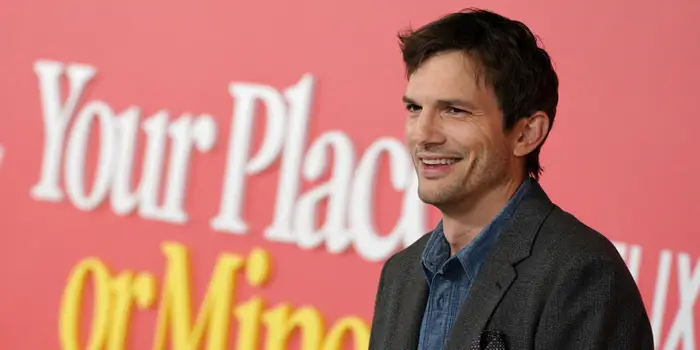

When most people hear the name Ashton Kutcher, they immediately picture the goofy, lovable characters he played on television hit shows like That ’70s Show or movies like Dude, Where’s My Car? But ashton kutcher investment portfolio is behind that Hollywood exterior lies one of the sharpest, most analytical minds in Silicon Valley. Over the last two decades, Kutcher has quietly transitioned from an A-list actor into a titan of venture capital, completely rewriting the playbook for celebrity tech investor returns.
Through early fund experiments like A-Grade Investments and his powerhouse institutional firm, Sound Ventures, Kutcher turned a relatively modest $30 million bankroll into a staggering $250 million-plus fortune in less than a decade. He wasn’t just tagging along on lucky deals either. He was actively hunting for massive, foundational shifts in the consumer internet landscape long before Wall Street caught on.
Let’s dive into the ashton kutcher investment portfolio at updatednetworth.com to look at the exact mechanics behind how he spotted multi-billion-dollar empires like Uber, Airbnb, and Skype in their infancy.
The Birth of the Ashton Kutcher Investment Portfolio
Before Kutcher became a regular fixture at major startup pitch meetings, he was a curious observer of the early digital tech scene. His journey as an investor didn’t start with a massive corporate backing; it started with a genuine fascination for software platforms that could radically improve everyday human interaction.
The Mentors Who Shaped the Strategy
Kutcher’s path to becoming a world-class venture capitalist was heavily accelerated by his willingness to learn from seasoned pros. He famously sought out tech icons like Marc Andreessen (co-founder of Andreessen Horowitz) and Ron Conway (the legendary godfather of angel investing). These mentors taught him how to read early product-market fit, understand market-creating dynamics, and evaluate the resilience of startup founders.
Equipped with this framework, Kutcher co-founded A-Grade Investments in 2010 alongside music talent manager Guy Oseary and billionaire investor Ron Burkle. This small, agile fund served as the launchpad for his most legendary wins and permanently put his name on the Silicon Valley map.
The Big Bets: Breaking Down the Iconic Exits
What makes the ashton kutcher investment portfolio so unique is the sheer density of its generational hits. Where typical venture funds expect nine out of ten companies to fail completely, Kutcher’s early funds managed to back multiple future tech giants in parallel.
Ashton Kutcher Early Investments & Capital Multipliers
| Company | Estimated Initial Check Size | Timing of Entry | The Exit Outcome |
| Skype | Undisclosed | 2009 (Via Andreessen) | Bought by Microsoft (4x return in 18 months) |
| Airbnb | $2.5 Million | 2011 (Series B Era) | Historic 2020 IPO (Massive valuation growth) |
| Uber | $500,000 | 2011 (Early Seed/Series A) | Massive IPO (Hundreds of millions in value) |
| Spotify | $3.0 Million | Early International Growth | Public IPO (Solid multi-million dollar return) |
The Genius of the ashton kutcher investment portfolio Uber Stake
Of all his historic wins, his ashton kutcher uber stake is perhaps the most impressive masterclass in asymmetric risk. Back in 2011, when Uber was a tiny, localized service known as “UberCab” that only operated luxury black cars in San Francisco, Kutcher recognized the underlying magic of the model.
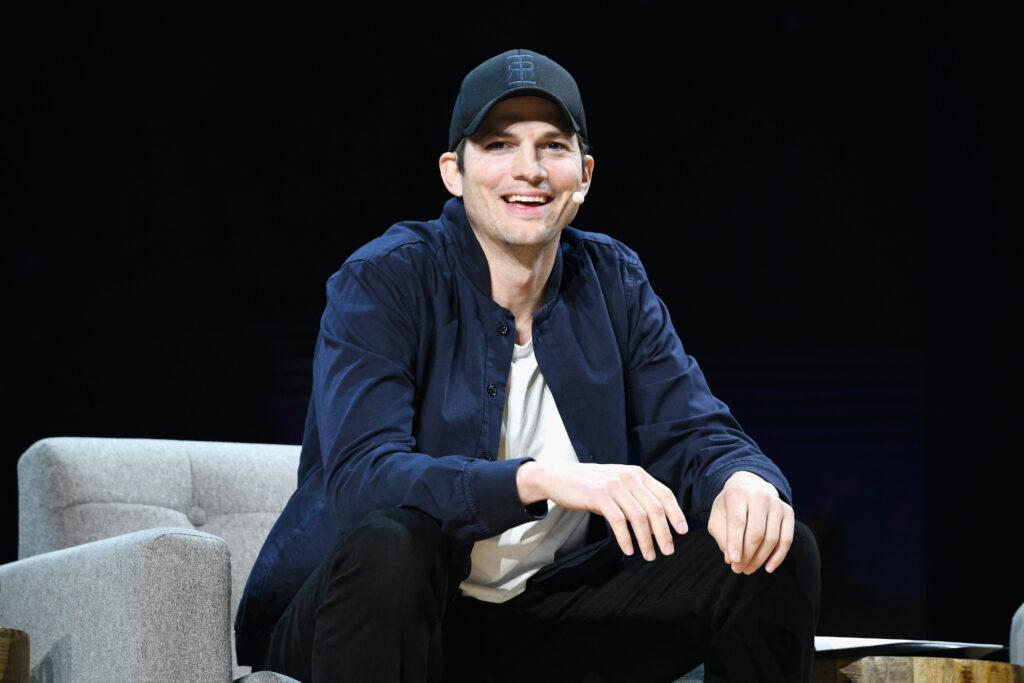
Through his A-Grade Investments fund, he cut a check for roughly $500,000. When Uber later evolved into a global ride-sharing giant and completed its massive public offering, that single, early $500,000 bet blossomed into a fortune worth hundreds of millions of dollars. It remains one of the greatest single startup investments made by an entertainer in modern history.
Spotting Airbnb Before the World Moved In
Around the same time, the concept of renting out an air mattress on a stranger’s floor seemed completely bizarre to mainstream hospitality executives. But Kutcher saw things differently. He understood that the platform was tapping into a deeply human desire for authentic connection and affordable lodging.
A-Grade put roughly $2.5 million into Airbnb during its early developmental years. By the time Airbnb went public in late 2020, achieving a valuation that surged past $100 billion, Kutcher’s early stake had generated an unbelievable multi-million-dollar windfall, solidifying his status as an elite scout for consumer tech trends.
The Quick Flawless Victory: Skype
Before his Uber and Airbnb wins matured, Kutcher secured a major proof-of-concept victory with the internet communication service Skype. In 2009, relying on a direct connection with tech investor Marc Andreessen, Kutcher bought into the company during a major structural transition. Just 18 months later, tech giant Microsoft stepped in to purchase Skype for a massive $8.5 billion cash layout, effectively quadrupling Kutcher’s invested capital in an incredibly brief window of time.
Institutional Scaling: Ashton Kutcher Sound Ventures Era
As his personal angel investing matured, Kutcher realized he needed to transition from small, private syndicates to a formal, institutional venture framework. In 2015, Kutcher and Guy Oseary formally launched Sound Ventures, raising $100 million in initial capital from Liberty Media.
Today, Sound Ventures manages well over $1 billion in total assets under management (AUM) across multiple funds. Led operationally by Managing Partner Effie Epstein, the firm has systematically backed 23 unicorns, built out a diverse portfolio of over 135 companies, and successfully navigated 15 IPOs.
True to Kutcher’s historical pattern of hunting for major tectonic platform shifts, Sound Ventures has recently positioned itself at the absolute forefront of the artificial intelligence boom. The firm raised a massive $240 million dedicated AI fund, establishing early, highly lucrative core positions in industry-defining foundation models like OpenAI, Anthropic, and Hugging Face.
Why Kutcher Wins: The ashton kutcher investment portfolio
Many critics originally assumed that Kutcher was simply a famous face getting handed “sweetheart deals” by top-tier venture firms looking for cheap celebrity endorsements. However, founders who have worked directly with Kutcher paint a radically different picture.
Kutcher brings a massive, highly tangible operational advantage to the table. Beyond providing raw capital, he uses his massive media reach, creative storytelling background, and cultural intuition to help young business founders craft their marketing narratives and drive viral consumer adoption.
Furthermore, his personal investment thesis is remarkably disciplined. He explicitly avoids fields where he lacks personal edge (such as biotech or complex life sciences) and instead doubles down on companies that optimize everyday consumer utility, improve cross-border logistics, or democratize financial access. It is this intense, practical focus, combined with an uncanny ability to spot foundational shifts in human behavior, that ensures his name will remain at the top of the venture capital world for decades to come.
To stay completely up to date on the shifting net worth, asset portfolios, and luxury lifestyles of your favorite cultural icons, keep your eyes locked right here on updatednetworth.com.
Frequently Asked Questions (FAQ)
What is the total size of the ashton kutcher investment portfolio today?
While his early personal wealth was built on a $30 million fund that scaled past $250 million, his institutional venture capital firm, Sound Ventures, currently manages over $1 billion in total assets under management (AUM) across its active technology and artificial intelligence funds.
How did he secure his early ashton kutcher uber stake?
Kutcher secured his early stake in Uber back in 2011 through his investment vehicle, A-Grade Investments. By building deep relationships with top-tier Silicon Valley mentors like Ron Conway and Marc Andreessen, he was able to spot the massive utility of the ride-sharing platform well before it became a global household name.
What are the main rules driving the ashton kutcher early investments 2026 strategy?
Kutcher’s core investment philosophy centers on three main criteria: evaluating whether a founder can clearly communicate their long-term vision, understanding if the underlying software solves a painful, real-world consumer problem, and focusing strictly on major technological platform shifts like the recent rise of generative AI.
Which AI companies has ashton kutcher sound ventures backed?
Through its specialized AI-themed investment funds, Sound Ventures has secured early, highly valuable positions in the world’s leading artificial intelligence infrastructure companies, including OpenAI, Anthropic, and Hugging Face.
Why do celebrity tech investor returns vary so much compared to Kutcher’s track record?
Most celebrity investors simply trade their likeness or social media promotion for equity in a company without performing deep technical due diligence. Kutcher stands apart because he works as a true, full-time venture capitalist, personally analyzing market metrics and helping founders build out tactical go-to-market strategies.